

Terry Carleton – Remixing Vince Guaraldi Peanuts Cartoon Soundtracks and the Arc Of a Music Career
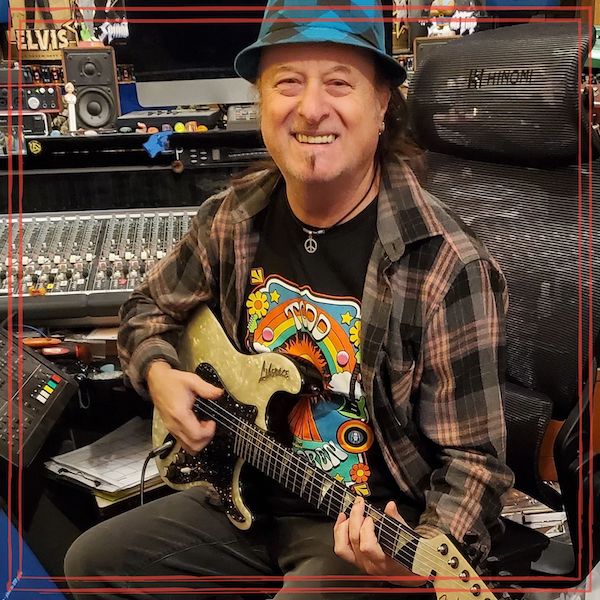 Terry Carleton of Bones & Knives Recording Studio has recorded music for major TV shows, indy films, commercials for radio, and, in some cases, has led to helping clients procure major record deals.
Terry studied classical, jazz, and composition on full scholarship. Playing in bands for the better part of 40 years. Has played live with many notables, including rockabilly legend Link Wray, pop and gospel vocalist Maria Muldaur, and jazz B3 icon Tony Monaco. As a member of Daddy-O, Terry helped back The Drifters, The Coasters, The Platters, The Marvelettes, Al Wilson, and Motown pioneer Mary Wells, to name a few. Terry has also recorded drums for Giraffe, Kevin Gilbert, Robert Ferris, and the British Progressive rock band Camel and continues to co-write songs with their frontman, Andy Latimer. He’s performed with The Beach Boys’ Al Jardine, Johnny Lee, Norton Buffalo, Jewel Akens, and Carey Ott, whose recordings from Bones and Knives have been featured on TV shows like “Grey’s Anatomy” and “Unnecessary Roughness.”
Most recently, Terry was commissioned by Sean Mendelson, whose dad is the late-great Lee Mendelson, the original producer of the iconic Peanuts Cartoons, to remix over 150 original Vince Guaraldi recordings from his Charlie Brown cartoon soundtracks, most recent being A Charlie Brown Thanksgiving (50th Anniversary Edition).
We talk about his work on the Vince Guaraldi / Charlie Brown recordings, Bones & Knives Recording Studios, His Collection of odd instruments, meeting the Mendelsons, the arc of Terry’s career, and more.
Learn more about Terry’s studio and career at BonesAndKnives.com.
Transcript auto-generated by Apple Podcasts
00:00:00.000 –> 00:00:03.040
ROBONZO: This episode of The Unstarving Musician is sponsored by Liner Notes.
00:00:03.320 –> 00:00:12.800
ROBONZO: Learn from the hundreds of musicians and industry pros I’ve spoken with for The Unstarving Musician on topics such as marketing, songwriting, touring, sync licensing, and much more.
00:00:13.000 –> 00:00:14.020
ROBONZO: Sign up for Liner Notes.
00:00:14.400 –> 00:00:23.400
ROBONZO: Liner Notes is an email newsletter from yours truly in which I share some of the best knowledge gems garnered from the many conversations featured on The Unstarving Musician.
00:00:23.740 –> 00:00:28.620
ROBONZO: You’ll also be privy to the latest podcast episodes and Liner Notes subscriber exclusives.
00:00:29.460 –> 00:00:32.020
ROBONZO: Sign up at unstarvingmusician.com.
00:00:32.160 –> 00:00:34.840
ROBONZO: It’s free and you can unsubscribe at any time.
00:00:37.440 –> 00:00:39.280
ROBONZO: Welcome to another episode.
00:00:40.260 –> 00:00:43.900
ROBONZO: I am so excited to be in your earbuds as always.
00:00:45.360 –> 00:00:50.220
ROBONZO: Wherever you are, whatever you’re wearing, maybe you’re listening on speakers, not earbuds, right?
00:00:51.520 –> 00:00:52.060
ROBONZO: All right.
00:00:52.660 –> 00:00:53.360
ROBONZO: It’s been a while.
00:00:54.000 –> 00:00:55.120
ROBONZO: A couple of weeks at least.
00:00:55.760 –> 00:01:00.520
ROBONZO: I think this is the end of that holiday schedule I spoke of, so back to weekly.
00:01:02.100 –> 00:01:15.320
ROBONZO: Real quick, I want to let you know that new videos are on the way for the undercover blues with Johnny Burgin, featuring yours truly on drums, will be on my YouTube channel at Rabonzo.
00:01:15.600 –> 00:01:17.000
ROBONZO: There will be a link in the show notes.
00:01:17.020 –> 00:01:17.820
ROBONZO: You can look for that.
00:01:18.460 –> 00:01:29.000
ROBONZO: And lest I forget, before we get into today’s guest, I want to shout out to the starving musician in Santa Clara, California, starvingmusician.com.
00:01:29.020 –> 00:01:35.000
ROBONZO: They’re kind of the namesake for the Unstarving Musician, which is this podcast and the website.
00:01:35.340 –> 00:01:36.720
ROBONZO: It happened in a coffee shop.
00:01:37.160 –> 00:01:49.160
ROBONZO: A friend who I’m sure was familiar with that iconic music store, Starving Musician in Santa Clara, said, your book should be called the Unstarving Musician.
00:01:49.960 –> 00:01:51.320
ROBONZO: And then the podcast was born.
00:01:51.340 –> 00:01:53.860
ROBONZO: So hey guys, if you’re listening, thank you for that.
00:01:54.580 –> 00:02:00.800
ROBONZO: My guest is Terry Carleton of Bones & Knives Recording Studio in San Jose, California.
00:02:01.660 –> 00:02:06.900
ROBONZO: Music from Bones & Knives has been featured in major TV shows, including Grey’s Anatomy, by the way.
00:02:07.420 –> 00:02:15.020
ROBONZO: It’s been in indie films, commercials for radio, and in some cases has led to helping clients procure major record deals.
00:02:15.740 –> 00:02:21.640
ROBONZO: Terry studied classical jazz and composition on a full university scholarship.
00:02:22.460 –> 00:02:39.940
ROBONZO: Playing in bands for the better part of 40 years, he’s played live with many notables, such as rockabilly legend Link Wray, pop and gospel vocalist Maria Muldaur, I’m sorry if I mispronounced your name, jazz B3 icon Tony Monaco.
00:02:40.900 –> 00:02:50.700
ROBONZO: As a member of Daddy-O, he helped back the Drifters, the Coasters, the Platters, the Marvelettes, Al Wilson and Motown pioneer Mary Wells, to name a few.
00:02:51.380 –> 00:02:58.020
ROBONZO: He recorded drums for Giraffe, Kevin Gilbert, Robert Ferris and British prog rock band Camel.
00:02:58.680 –> 00:03:03.380
ROBONZO: And he continues to co-write songs with the Camel frontman Andy Latimer.
00:03:04.760 –> 00:03:18.580
ROBONZO: He’s performed with the Beach Boys, Al Jardine, Johnny Lee, Norton Buffalo, Jewel Akens and Carey Ott, whose recordings from Bones & Knives have been featured on Grey’s Anatomy.
00:03:18.600 –> 00:03:19.780
ROBONZO: Did I mention Grey’s Anatomy?
00:03:19.800 –> 00:03:27.000
ROBONZO: It’s also been featured on Unnecessary Roughness, and I’m not sure if those are both connected with Carey Ott in any case.
00:03:28.900 –> 00:03:36.860
ROBONZO: And Terry also plays the part of Ringo in the touring cast of The Reunion, whose records were also produced at Bones & Knives.
00:03:38.160 –> 00:03:54.720
ROBONZO: He most recently was commissioned by Sean Mendelson, whose father is the late great Lee Mendelson, the original producer of the iconic Peanuts cartoons, to remix over 150 original Vince Guaraldi recordings from his Charlie Brown cartoon soundtracks.
00:03:55.140 –> 00:04:15.740
ROBONZO: Most recently, being a Charlie Brown Thanksgiving, kind of a 50th anniversary edition, we talk about his work on the Vince Guaraldi Charlie Brown recordings and Bones & Knives Recording Studios, his collection of odd instruments, meeting the Mendelsons, the arc of Terry’s career, and much, much, much, much more.
00:04:15.780 –> 00:04:16.640
ROBONZO: Always more, right?
00:04:16.660 –> 00:04:17.380
ROBONZO: Always much more.
00:04:18.240 –> 00:04:23.160
ROBONZO: You can learn more about Terry’s studio and career at bonesandknives.com.
00:04:23.600 –> 00:04:25.780
ROBONZO: Man, this was a really fun conversation.
00:04:25.800 –> 00:04:29.380
ROBONZO: All you people who come on the podcast are so interesting and so accomplished.
00:04:29.500 –> 00:04:30.440
ROBONZO: All right, enough of that.
00:04:30.460 –> 00:04:34.500
ROBONZO: Here is me speaking with Terry Carleton.
00:04:36.040 –> 00:04:49.940
TERRY CARLETON: God, I did something like 1200 or 1300 drum lessons online from March of 2020 to March of 2021 or whatever.
00:04:50.460 –> 00:04:51.800
TERRY CARLETON: And hey, what’s that thing?
00:04:51.820 –> 00:04:52.440
TERRY CARLETON: Hey, what’s that?
00:04:52.460 –> 00:04:55.400
TERRY CARLETON: I mean, it’s just my studio.
00:04:55.880 –> 00:04:56.700
TERRY CARLETON: It’s insane.
00:04:57.620 –> 00:05:02.680
TERRY CARLETON: I have a double bass drum set, a vibraphone, a xylophone, an upright grand piano.
00:05:03.240 –> 00:05:06.480
TERRY CARLETON: I literally have 200 guitars hanging.
00:05:06.840 –> 00:05:07.800
ROBONZO: I’ve seen pictures.
00:05:07.820 –> 00:05:08.860
ROBONZO: You have so much gear.
00:05:08.880 –> 00:05:10.540
ROBONZO: Don’t even bother trying to list it all.
00:05:10.560 –> 00:05:12.220
ROBONZO: I was like, oh my God, it’s like endless.
00:05:12.920 –> 00:05:13.460
ROBONZO: It’s crazy.
00:05:13.460 –> 00:05:13.980
TERRY CARLETON: It is.
00:05:16.020 –> 00:05:17.380
TERRY CARLETON: No, it’s amazing.
00:05:17.400 –> 00:05:17.600
TERRY CARLETON: Yeah.
00:05:18.260 –> 00:05:20.920
TERRY CARLETON: And but distracting as hell.
00:05:21.020 –> 00:05:22.640
TERRY CARLETON: Yeah, that’s probably just as well.
00:05:22.660 –> 00:05:23.800
TERRY CARLETON: This is an audio only.
00:05:25.500 –> 00:05:46.120
TERRY CARLETON: But, you know, as a producer, I mean, I remember when I would produce records for people and I’d load my van full of sounds that I like, you know, special snare drum, a 12-string Rickenbacker, you know, and I show to whatever given studio, you know, with a bunch of gear to produce a band.
00:05:46.420 –> 00:05:51.820
TERRY CARLETON: And then, oh man, only if we had a fretless bass, you know, like, oh yeah, that’d be cool.
00:05:52.500 –> 00:05:59.820
TERRY CARLETON: And, but now, in my home studio where I do most of my work, I’ve got, it’s all here.
00:06:00.260 –> 00:06:02.040
TERRY CARLETON: You know, oh, electric sitar, no problem.
00:06:02.060 –> 00:06:05.100
TERRY CARLETON: You don’t want a Vox guitar through a Vox amp, okay.
00:06:06.180 –> 00:06:14.140
ROBONZO: I read something that implies that if you don’t have it, you wouldn’t mind looking to see if you can find it, and I assume because you’re such a collector.
00:06:15.220 –> 00:06:17.740
TERRY CARLETON: I am, I just got this new instrument.
00:06:18.560 –> 00:06:19.560
TERRY CARLETON: It’s new to me.
00:06:19.600 –> 00:06:20.820
TERRY CARLETON: It’s over 100 years old.
00:06:20.840 –> 00:06:22.380
TERRY CARLETON: It’s called a marxophone.
00:06:22.960 –> 00:06:25.340
TERRY CARLETON: Are you familiar with a marxophone?
00:06:25.980 –> 00:06:28.040
ROBONZO: What would you say if I said yes?
00:06:28.240 –> 00:06:30.040
ROBONZO: Oh my God, I can’t believe you have one of those.
00:06:30.740 –> 00:06:32.860
TERRY CARLETON: Oh jeez, you know what a marxophone is.
00:06:32.900 –> 00:06:33.800
TERRY CARLETON: I’m stunned.
00:06:33.940 –> 00:06:34.680
ROBONZO: No, no, I don’t.
00:06:35.500 –> 00:06:37.360
TERRY CARLETON: Oh, you don’t, you don’t.
00:06:38.600 –> 00:06:40.260
ROBONZO: See, I knew you’d be stunned.
00:06:40.280 –> 00:06:41.720
TERRY CARLETON: That was so great.
00:06:42.940 –> 00:06:44.380
TERRY CARLETON: Wow, the secret handshake.
00:06:45.640 –> 00:06:50.800
TERRY CARLETON: Okay, so do you know the Doris first album, The One with Light My Fire on it?
00:06:50.820 –> 00:06:53.920
ROBONZO: I know that song and probably some others from the album.
00:06:53.940 –> 00:06:56.480
ROBONZO: I don’t know the album intimately, but I know the sound.
00:06:56.500 –> 00:07:01.260
TERRY CARLETON: So there’s a song called The Alabama Song, and most people refer to it as The Whiskey Bar.
00:07:02.840 –> 00:07:06.760
TERRY CARLETON: Oh, show me the way to the next whiskey bar.
00:07:07.520 –> 00:07:08.700
TERRY CARLETON: I’ll don’t ask why.
00:07:08.720 –> 00:07:12.200
TERRY CARLETON: And then there’s this little mandolin meets zither.
00:07:13.940 –> 00:07:15.880
TERRY CARLETON: I’ll don’t ask why.
00:07:16.380 –> 00:07:18.720
TERRY CARLETON: And I looked it up, and it’s like, it’s a what?
00:07:18.740 –> 00:07:19.520
TERRY CARLETON: A marxophone?
00:07:19.740 –> 00:07:23.180
TERRY CARLETON: And it’s like a, it’s like this weird mechanized zither.
00:07:23.200 –> 00:07:26.260
TERRY CARLETON: And I’m like, that is so bitching, and I finally found one.
00:07:26.860 –> 00:07:31.960
TERRY CARLETON: And I recorded one song with it, and it’s like, it’s prep taking.
00:07:32.400 –> 00:07:37.520
TERRY CARLETON: It’s just, it’s this weird, you know, mechanized zither.
00:07:37.860 –> 00:07:41.140
TERRY CARLETON: It’s got these little metal tines with a lead ball on the end.
00:07:41.160 –> 00:07:44.880
TERRY CARLETON: And the lead ball hits these strings and bounces up and down on the strings.
00:07:44.880 –> 00:07:47.280
TERRY CARLETON: And it’s magic.
00:07:47.860 –> 00:07:48.880
ROBONZO: That’s crazy.
00:07:49.920 –> 00:07:52.460
TERRY CARLETON: So I have it, and then I have a client come in.
00:07:52.480 –> 00:07:55.540
TERRY CARLETON: She’s like, oh my God, I’m going to write a song for that.
00:07:56.260 –> 00:07:59.140
TERRY CARLETON: So yeah, you know.
00:07:59.460 –> 00:08:03.120
ROBONZO: Demo your new strangest gear to people who probably want a song with it.
00:08:03.960 –> 00:08:05.100
TERRY CARLETON: Totally, totally.
00:08:05.420 –> 00:08:08.720
TERRY CARLETON: I just got a, it’s made by Farfisa.
00:08:10.280 –> 00:08:11.800
TERRY CARLETON: It’s an air organ.
00:08:13.040 –> 00:08:20.340
TERRY CARLETON: So it’s just like a, that’s got an engine that operates a fan, and then the fan blows wind over reeds.
00:08:21.560 –> 00:08:23.800
TERRY CARLETON: So there’s no amplifier or speaker.
00:08:23.920 –> 00:08:26.600
TERRY CARLETON: You know, it’s essentially an acoustic instrument.
00:08:26.620 –> 00:08:30.200
TERRY CARLETON: It’s like an accordion that you don’t have to squeeze.
00:08:31.820 –> 00:08:33.860
TERRY CARLETON: And so this same gal recorded with that.
00:08:34.000 –> 00:08:34.980
TERRY CARLETON: What’s that thing do?
00:08:35.000 –> 00:08:37.460
TERRY CARLETON: Like, oh, can we add it to something?
00:08:37.540 –> 00:08:38.660
TERRY CARLETON: Yeah, yeah, we can.
00:08:40.740 –> 00:08:41.580
ROBONZO: That’s so crazy.
00:08:42.220 –> 00:08:47.660
TERRY CARLETON: And that’s the stuff that you wouldn’t have if you were out, you know, at another studio.
00:08:47.820 –> 00:08:58.500
TERRY CARLETON: And as a producer, I’m always trying to find, you know, something that will give the song a sonic thumbprint.
00:08:58.640 –> 00:09:06.640
TERRY CARLETON: You know, I’ve never been a fan of albums where it sounds like they cut all the basic tracks on the same day.
00:09:07.140 –> 00:09:11.820
TERRY CARLETON: Same snare drum, same bass drum, same guitar tone, same bass guitar tone.
00:09:12.580 –> 00:09:24.820
TERRY CARLETON: It’s all cool, but what really makes it special to me is the sound effects or like what a wacky snare drum or, you know, that’s why I like people like Metallica or not Metallica.
00:09:24.960 –> 00:09:28.380
TERRY CARLETON: Well, actually, they had that one album with that weird snare drum.
00:09:28.760 –> 00:09:30.580
TERRY CARLETON: I don’t know why Metallica came out of my face.
00:09:31.120 –> 00:09:38.460
TERRY CARLETON: Radiohead or like Fiona Apple, you know, just the sonic quality of their records is so interesting.
00:09:38.900 –> 00:09:44.840
TERRY CARLETON: So, yeah, I’m always like, yeah, hey, there’s a cowbell I don’t have or a tambourine I don’t have or a snare drum.
00:09:44.840 –> 00:09:45.400
TERRY CARLETON: Oh, my God.
00:09:45.420 –> 00:09:48.600
ROBONZO: So, yeah, that’s great.
00:09:49.540 –> 00:09:53.060
ROBONZO: How did you first meet the Mendelssohn’s family?
00:09:54.320 –> 00:10:01.520
TERRY CARLETON: Yeah, well, you know, it’s kind of like one of those LA stories, you know, but I’m not in LA and shit like this never happens to me.
00:10:03.380 –> 00:10:05.740
TERRY CARLETON: And you hear the stories and you go, yeah, well, sure.
00:10:05.760 –> 00:10:09.220
TERRY CARLETON: If I lived next door to Burt Reynolds, you know, great things would happen to me too, you know.
00:10:09.800 –> 00:10:14.920
TERRY CARLETON: Hey, read the room, Terry, Burt Reynolds.
00:10:16.500 –> 00:10:20.920
TERRY CARLETON: Anyway, I actually knew Lee Mendelson.
00:10:21.880 –> 00:10:27.020
TERRY CARLETON: And, you know, Lee Mendelson was the original producer of the Peanuts cartoons.
00:10:27.860 –> 00:10:31.240
TERRY CARLETON: And he’s the guy that brought Charles Schultz and Vince Caraldi together.
00:10:31.260 –> 00:10:37.140
TERRY CARLETON: And he produced all of those cartoons as well as a ton of other work that Lee Mendelson did.
00:10:38.260 –> 00:10:41.140
TERRY CARLETON: He did all of the Garfield cartoons, for instance.
00:10:41.480 –> 00:10:42.680
TERRY CARLETON: I did not know that group.
00:10:43.120 –> 00:10:45.860
TERRY CARLETON: Yeah, and he was also a really big sports biographer.
00:10:46.400 –> 00:10:50.760
TERRY CARLETON: And I worked on a Willie Mays biography that he did.
00:10:51.440 –> 00:10:56.280
TERRY CARLETON: And it just so happens that I’ve, he lives in the San Francisco Bay Area.
00:10:56.760 –> 00:10:57.980
TERRY CARLETON: And I knew his daughter, Linda.
00:10:58.540 –> 00:11:00.080
TERRY CARLETON: So that’s how I got the work.
00:11:01.140 –> 00:11:03.380
TERRY CARLETON: Through that, I met his son, Sean.
00:11:03.700 –> 00:11:10.520
TERRY CARLETON: And Sean, he wasn’t essentially in the family business of Mendelson film and TV.
00:11:11.020 –> 00:11:15.260
TERRY CARLETON: He was kind of more of a DIYer.
00:11:15.280 –> 00:11:21.240
TERRY CARLETON: He got a degree in music and he teaches music at the elementary school level.
00:11:21.800 –> 00:11:24.080
TERRY CARLETON: And he’s a singer-songwriter.
00:11:24.100 –> 00:11:27.080
TERRY CARLETON: And I’ve recorded like five albums with him.
00:11:28.940 –> 00:11:37.640
TERRY CARLETON: And when his dad died, which was just a few years ago, just before the pandemic, Lee made it to 93 or 94 years old.
00:11:37.700 –> 00:11:39.720
TERRY CARLETON: Long, fruitful, amazing life, right?
00:11:40.680 –> 00:11:48.100
TERRY CARLETON: The family business drafted Sean into the business because they needed a music guy.
00:11:48.960 –> 00:11:52.640
TERRY CARLETON: So he said, hey, we discovered all of these old master tapes.
00:11:53.620 –> 00:12:01.940
TERRY CARLETON: And we took every track from every cue and digitized every single isolated multi-track.
00:12:02.480 –> 00:12:06.120
TERRY CARLETON: And you think you’d want to try remixing one?
00:12:06.140 –> 00:12:08.120
TERRY CARLETON: And I’m like, remix Vince Guaraldi?
00:12:08.940 –> 00:12:10.680
TERRY CARLETON: Yeah, of course.
00:12:11.560 –> 00:12:12.540
TERRY CARLETON: I’m a huge fan.
00:12:13.140 –> 00:12:18.540
TERRY CARLETON: And so I remixed this one song, which is called No Time for Love, I think.
00:12:19.060 –> 00:12:21.700
TERRY CARLETON: And it was really cool.
00:12:22.120 –> 00:12:30.980
TERRY CARLETON: It was like a minor three, four swing, minor key, three, four swing, this very haunting melody.
00:12:31.220 –> 00:12:36.560
TERRY CARLETON: And then it busts into like a four, four samba as bitching, you know, back and forth.
00:12:36.580 –> 00:12:38.820
TERRY CARLETON: And so I remixed the song.
00:12:38.840 –> 00:12:47.800
TERRY CARLETON: But, you know, I just mix it the way anyone would face with piano, bass, drums, guitar, you know, extra one extra piano, whatever.
00:12:47.820 –> 00:12:50.680
TERRY CARLETON: And they’re like, OK, we grew up with this music.
00:12:52.040 –> 00:12:54.000
TERRY CARLETON: We’ve never heard it sound this good, you know.
00:12:54.360 –> 00:12:56.960
TERRY CARLETON: So do you want to mix all of the TV specials?
00:12:57.120 –> 00:12:58.220
TERRY CARLETON: I’m like, oh, come on.
00:12:59.160 –> 00:12:59.920
TERRY CARLETON: And they were serious.
00:13:00.140 –> 00:13:01.160
TERRY CARLETON: All I’ve done.
00:13:01.600 –> 00:13:03.200
TERRY CARLETON: I got all but the Christmas one.
00:13:03.640 –> 00:13:04.640
TERRY CARLETON: The Christmas special.
00:13:05.920 –> 00:13:12.640
TERRY CARLETON: Another producer in LA, I’m spacing on his name, but another producer in LA, the big time guy, remixed the Christmas album.
00:13:14.320 –> 00:13:21.360
TERRY CARLETON: And so the one that just came out, the Thanksgiving album, it’s the first one that I remixed that they’ve released.
00:13:22.020 –> 00:13:25.380
TERRY CARLETON: And so, yeah, but it’s funny.
00:13:25.440 –> 00:13:28.100
TERRY CARLETON: It’s probably the most important work I’ve ever done.
00:13:28.120 –> 00:13:32.460
TERRY CARLETON: And I’m doing it in my family room, my family room studio in my house.
00:13:36.760 –> 00:13:37.760
TERRY CARLETON: And they’re loving it.
00:13:37.780 –> 00:13:38.940
TERRY CARLETON: And the critics are liking it too.
00:13:39.560 –> 00:13:47.760
TERRY CARLETON: They’re not like, oh man, this guy clearly doesn’t understand jazz or, you know, I didn’t do anything like, I don’t think anybody would.
00:13:47.780 –> 00:13:51.020
TERRY CARLETON: Well, maybe, but I really didn’t do anything special.
00:13:51.040 –> 00:13:57.600
TERRY CARLETON: Just EQ, panning, reverb, and just putting the levels up where my aesthetic says, well, this is where the ride cymbal should be in a mix.
00:13:57.620 –> 00:14:01.480
TERRY CARLETON: And this is how the bass should be EQ’d so that it doesn’t get in the way of the piano.
00:14:01.500 –> 00:14:07.840
TERRY CARLETON: And this is how the piano should be panned and a bit of reverb on the piano, you know, but not reinventing the wheel.
00:14:07.880 –> 00:14:09.840
TERRY CARLETON: The tracks were all so recorded.
00:14:09.900 –> 00:14:11.420
TERRY CARLETON: They were all recorded so well.
00:14:11.700 –> 00:14:14.000
TERRY CARLETON: And then the transfer process was done perfect.
00:14:14.020 –> 00:14:19.240
TERRY CARLETON: So I was just, I was given a wheelbarrow full of WAV files.
00:14:20.800 –> 00:14:25.900
TERRY CARLETON: So far, I have remixed 140 different cues.
00:14:27.920 –> 00:14:30.940
ROBONZO: So the Thanksgiving special that you worked on is already released?
00:14:31.760 –> 00:14:43.100
TERRY CARLETON: Yeah, yeah, it’s already released and out and they released it on vinyl, on CD, and of course, all the digital platforms, because that’s where all the money is.
00:14:44.240 –> 00:14:44.660
ROBONZO: Right.
00:14:45.480 –> 00:15:00.320
ROBONZO: Well, especially for, yeah, well, but you know, well, I don’t know what the arrangement is, but like if you have a body of work, it seems like, I mean, you watch some of these guys that already had a body of work, they just keep putting stuff out because it seems that streams for those guys makes it.
00:15:00.340 –> 00:15:03.620
ROBONZO: Yeah, a big, a big dent or a big enough one.
00:15:04.240 –> 00:15:14.680
ROBONZO: And I don’t know if you know anything about it, but I am curious, you know, is it the same for the estate of Guraldi or whomever has the rights to that?
00:15:14.700 –> 00:15:16.860
ROBONZO: Are they going to make make money on it?
00:15:17.840 –> 00:15:19.080
TERRY CARLETON: I know a little bit about it.
00:15:19.820 –> 00:15:20.900
TERRY CARLETON: Don’t take this to court.
00:15:20.900 –> 00:15:30.680
TERRY CARLETON: But from what I’ve been led to believe, the their arrangement with the Guraldis was that the Mendelssohn’s published it and produced it.
00:15:30.820 –> 00:15:32.300
TERRY CARLETON: And as such, they own.
00:15:33.240 –> 00:15:42.560
TERRY CARLETON: They have ownership of the original tracks, so they can do anything with it that they want, including remixing and re-releasing and so forth.
00:15:42.860 –> 00:15:51.440
TERRY CARLETON: And so all the royalties go back, as you would imagine, to the original publishers and songwriters.
00:15:52.040 –> 00:16:01.300
TERRY CARLETON: So the Guraldi estate will definitely get money back the same way they would on any record sales in the past or any time a TV show airs.
00:16:01.680 –> 00:16:05.840
ROBONZO: Sweet, so you just bumped it up with the whole remix thing and you’re going to bump it up some more for those guys?
00:16:05.980 –> 00:16:07.800
ROBONZO: That’s great.
00:16:08.440 –> 00:16:09.640
TERRY CARLETON: It’s really something.
00:16:09.700 –> 00:16:18.000
TERRY CARLETON: And some friends of mine are going, okay, well, these people over at Such-and-Such, they’re going to hate it because that’s what they do.
00:16:18.020 –> 00:16:18.920
TERRY CARLETON: They hate everything.
00:16:19.320 –> 00:16:23.260
TERRY CARLETON: And the least I can say about it is no one hates it.
00:16:24.020 –> 00:16:29.360
TERRY CARLETON: But the most part, like there was this one YouTuber that did a review and he goes, this record is killing me.
00:16:31.000 –> 00:16:32.920
TERRY CARLETON: He talked about the minutia.
00:16:32.940 –> 00:16:36.600
TERRY CARLETON: He really went into the weeds and he goes, I give it a 10 out of 10.
00:16:37.020 –> 00:16:37.580
TERRY CARLETON: It’s amazing.
00:16:37.600 –> 00:16:38.920
TERRY CARLETON: It’s one of the best jazz records I own.
00:16:41.780 –> 00:16:43.440
TERRY CARLETON: Yeah, I know.
00:16:43.460 –> 00:16:44.660
TERRY CARLETON: But here’s the thing.
00:16:45.000 –> 00:16:54.160
TERRY CARLETON: Turns out that if you have really great music and really great musicians and then really great engineers, yeah, that’s a good recipe for a good record.
00:16:54.180 –> 00:16:59.920
ROBONZO: It just shows, man, the quality of what goes in at the beginning can make all the difference.
00:17:00.780 –> 00:17:07.640
TERRY CARLETON: Yeah, you know, they had to go through that heating process, you know, with old analog tapes.
00:17:07.660 –> 00:17:08.520
TERRY CARLETON: It’s called baking.
00:17:08.740 –> 00:17:09.500
ROBONZO: I read that.
00:17:09.520 –> 00:17:13.660
ROBONZO: I didn’t know anything about it, but I was like, oh, that must be kind of a scary moment when you start that.
00:17:14.300 –> 00:17:16.600
ROBONZO: Maybe it’s super reliable, but I’m like, that seems scary.
00:17:17.300 –> 00:17:24.400
TERRY CARLETON: That seems so scary to me, you know, and I asked him, is it anything like putting a cat in a microwave?
00:17:24.420 –> 00:17:25.240
TERRY CARLETON: Because that’s scary.
00:17:25.820 –> 00:17:35.020
ROBONZO: Wait, we should explain to the listeners who perhaps most of whom, well, let’s assume most of whom don’t know what that process is for and what it entails.
00:17:35.040 –> 00:17:36.080
ROBONZO: Can you explain it a little bit?
00:17:36.740 –> 00:17:37.080
TERRY CARLETON: Sure.
00:17:37.240 –> 00:17:43.020
TERRY CARLETON: So with analog tape, it’s magnetic particles that are held onto the tape.
00:17:44.080 –> 00:18:09.360
TERRY CARLETON: And so if the tape sits too long, and in this case, 50 years, the tape starts adhering to itself like an old reel of scotch tape where you’re pulling on the tape and it’s all gummy and you see bits of glue coming up as you’re trying to unfurl a piece of tape from a scotch tape.
00:18:10.140 –> 00:18:13.360
TERRY CARLETON: And it’s the same thing with magnetic tape.
00:18:13.440 –> 00:18:20.760
TERRY CARLETON: The back of it gets stuck to the front of the next layer, and then magnetic particles start to fly, and then the tape gets totally degraded.
00:18:20.840 –> 00:18:27.540
TERRY CARLETON: And so you have dropouts and it’s like bit smashing, and it can be horrible.
00:18:27.900 –> 00:18:39.620
TERRY CARLETON: And what the baking process does is they heat it at a certain temperature for a certain amount of time, and then when you put the tape on the machine and play it, it’s not like sticking to itself.
00:18:39.920 –> 00:18:41.440
TERRY CARLETON: And I’ve seen that happen.
00:18:42.020 –> 00:18:42.760
TERRY CARLETON: It’s riveting.
00:18:42.960 –> 00:18:48.320
TERRY CARLETON: You put your tape on, you haven’t worked on it in a couple of years, and you put the tape on, and it’s getting stuck, you know?
00:18:48.840 –> 00:18:51.460
TERRY CARLETON: And it’s going, ka-ka, like, oh, no!
00:18:52.060 –> 00:18:53.740
TERRY CARLETON: So it’s a real thing.
00:18:53.900 –> 00:18:56.580
TERRY CARLETON: Anyway, so the guys that baked it knew exactly what they were doing.
00:18:57.200 –> 00:19:12.020
TERRY CARLETON: And so the tapes were played smoothly, and then they put everything into Pro Tools and made really super high res WAV files, like 88, you know, res WAV files.
00:19:13.300 –> 00:19:14.700
TERRY CARLETON: And that’s what I ended up getting.
00:19:15.200 –> 00:19:31.220
TERRY CARLETON: And I was thinking, you know, like, well, when you isolate the tracks, especially the low frequencies, bass, bass drum, left hand, the piano, you’re going to start hearing artifacts, you know, from just being analog and then being 50 years old analog.
00:19:31.680 –> 00:19:32.600
TERRY CARLETON: And it was never the case.
00:19:32.660 –> 00:19:42.100
TERRY CARLETON: There was not one single track that was degraded in any way that sounded bit smashed or, you know, any kind of like ugly artifacts.
00:19:42.120 –> 00:19:46.420
TERRY CARLETON: It was just like, it was like it was recorded yesterday, you know.
00:19:46.640 –> 00:19:54.160
ROBONZO: I was thinking as soon as I read that little bit, which I believe came from the interview with from from the music soup that you did.
00:19:54.200 –> 00:19:57.520
ROBONZO: And I’ll put a link to the show notes and that for anyone who’s curious about it.
00:19:57.540 –> 00:20:10.760
ROBONZO: But I immediately started thinking of these, this recent resurrection of Beatles tracks for that long, long ass film that was done on those, for those Let It Be sessions and other, I’m assuming they did the same thing.
00:20:10.940 –> 00:20:11.300
ROBONZO: I guess.
00:20:11.360 –> 00:20:17.980
ROBONZO: So I suppose it sort of dehumidifies the tape in a way when they bake it.
00:20:18.000 –> 00:20:18.160
TERRY CARLETON: Yeah.
00:20:18.200 –> 00:20:18.540
TERRY CARLETON: Yeah.
00:20:18.620 –> 00:20:21.620
TERRY CARLETON: It’s I think that’s exactly what happens.
00:20:21.640 –> 00:20:33.500
TERRY CARLETON: And it makes it so that it doesn’t get sticky, you know, because after a while it starts to liquefy, you know, and and so it unliquifies it, I guess you could say.
00:20:34.220 –> 00:20:36.700
TERRY CARLETON: They definitely had to go to do that with the Beatles tapes.
00:20:36.800 –> 00:20:50.320
TERRY CARLETON: And I’ve read interviews of Giles Martin and he was he said a lot of the same things that once once they baked the tapes and he was he said, I was quite familiar with my dad’s work.
00:20:50.480 –> 00:20:50.800
ROBONZO: Yeah.
00:20:50.900 –> 00:20:51.260
TERRY CARLETON: OK.
00:20:52.140 –> 00:20:53.000
TERRY CARLETON: You mean George Martin?
00:20:53.440 –> 00:21:06.520
TERRY CARLETON: And he said and the Beatles records always sounded great to me, but I had no idea what it would be like to just solo George Harrison’s electric slide guitar and have it just jump out of the speakers and then rip the skin off your face.
00:21:06.600 –> 00:21:12.020
TERRY CARLETON: It was so aggressive and so beautifully clear and perfectly recorded.
00:21:12.560 –> 00:21:24.620
TERRY CARLETON: And he said that when he was remixing all those Beatles records, as well as the Cirque du Soleil Love soundtrack, which is amazing, he said the tones were incredible.
00:21:24.640 –> 00:21:25.400
TERRY CARLETON: He didn’t have to do any.
00:21:25.420 –> 00:21:26.820
TERRY CARLETON: He did no fixing.
00:21:27.100 –> 00:21:28.540
ROBONZO: You know, that’s so cool.
00:21:29.020 –> 00:21:29.840
TERRY CARLETON: Yeah, I know.
00:21:29.940 –> 00:21:36.480
TERRY CARLETON: And that’s kind of how I felt because these tapes are just about as old, the Giroldi tapes, and they hadn’t been played in 50 years.
00:21:36.520 –> 00:21:43.500
TERRY CARLETON: And so then to get it and then find them in such pristine condition, you know, and then to be able to mix them.
00:21:43.520 –> 00:21:49.840
TERRY CARLETON: Because like, especially in the case of the Thanksgiving soundtrack, it was mixed in mono.
00:21:49.860 –> 00:21:53.220
TERRY CARLETON: It was mixed to sound good coming out of a four inch TV speaker, you know.
00:21:53.800 –> 00:22:00.260
TERRY CARLETON: And so, but the engineers that mic’d all the instruments, so they had two mics on the piano.
00:22:00.420 –> 00:22:05.060
TERRY CARLETON: They double mic’d the bass guitar, a direct input and a mic’d input.
00:22:05.080 –> 00:22:06.620
TERRY CARLETON: They had four mics on the drum set.
00:22:06.640 –> 00:22:11.100
TERRY CARLETON: So it could have been a totally legit stereo album.
00:22:11.520 –> 00:22:16.260
TERRY CARLETON: They proceeded as if it was going to be a stereo album, but it only ever got mixed down to mono.
00:22:16.660 –> 00:22:24.000
TERRY CARLETON: And like with no bass, really, essentially, because bass doesn’t sound good coming out of a four inch TV speaker kind of thing.
00:22:25.200 –> 00:22:30.700
TERRY CARLETON: And so all I did was like mix it probably the way the original engineers had envisioned it would be mixed.
00:22:31.560 –> 00:22:33.120
ROBONZO: Wow.
00:22:33.180 –> 00:22:41.740
ROBONZO: Did I also understand correctly that when you got that first track from the Mendelson family to mix, they didn’t tell you what it was?
00:22:41.800 –> 00:22:43.700
ROBONZO: And you just did it.
00:22:43.720 –> 00:22:45.080
ROBONZO: You were like, who’s this playing guitar?
00:22:46.400 –> 00:22:46.820
TERRY CARLETON: They did.
00:22:46.840 –> 00:22:53.420
TERRY CARLETON: And it’s such a funny story too because, hey, sure, who doesn’t like Charlie Brown and Peanuts and Linus and Lucy?
00:22:53.440 –> 00:22:59.240
TERRY CARLETON: But I can’t say I was 100% involved with all the different specials that had come out over the years.
00:22:59.260 –> 00:23:03.720
TERRY CARLETON: And so I wasn’t familiar with the No Time for Love special.
00:23:04.300 –> 00:23:07.060
TERRY CARLETON: And so when they said it’s No Time for Love, I’m like, oh, okay.
00:23:07.260 –> 00:23:10.900
TERRY CARLETON: And when I heard the music, it wasn’t anything that it sounded familiar to me in the slightest.
00:23:11.440 –> 00:23:13.000
TERRY CARLETON: And they didn’t tell me who the players were.
00:23:13.700 –> 00:23:15.460
TERRY CARLETON: And so I was mixing it.
00:23:15.480 –> 00:23:22.480
TERRY CARLETON: I was like, man, this is a cool piece of music, but you know, this guitar playing, not the greatest, you know.
00:23:22.980 –> 00:23:28.360
TERRY CARLETON: It’s okay, you know, but there’s a couple of spots where, hey, well, you know what, fuck, I’m just remixing it.
00:23:28.380 –> 00:23:29.680
TERRY CARLETON: They’re just asking me, hey, would you remix it?
00:23:29.720 –> 00:23:32.020
TERRY CARLETON: You know, with no pre-instruction.
00:23:32.040 –> 00:23:39.480
TERRY CARLETON: So I didn’t use a lot of the guitar stuff and the parts that I used, I mixed, you know, I mean, you can hear it, but it wasn’t a feature.
00:23:39.500 –> 00:23:45.460
TERRY CARLETON: It was more like a background harmony as opposed to, and now on the lead guitar for London, England.
00:23:46.340 –> 00:23:49.340
TERRY CARLETON: You know, it was just like, oh, that’s a nice flavor.
00:23:49.360 –> 00:23:50.660
TERRY CARLETON: There’s guitar now, you know.
00:23:52.340 –> 00:24:02.560
TERRY CARLETON: And so when I sent them the mix, them being Sean and his brother Jason Mendelson, I said, yeah, I’m not sure who was on guitar.
00:24:02.580 –> 00:24:04.440
TERRY CARLETON: I wasn’t really well about the guitar playing.
00:24:04.460 –> 00:24:08.200
TERRY CARLETON: So I kind of mixed it a little apologetically, you know, hopes cool.
00:24:08.220 –> 00:24:12.660
TERRY CARLETON: But, you know, of course I can change it, you know, but no, no, no, this is great.
00:24:13.560 –> 00:24:16.020
TERRY CARLETON: And I said, by the way, who was that guitar player?
00:24:16.440 –> 00:24:17.380
TERRY CARLETON: Yeah, that was Vince.
00:24:19.900 –> 00:24:21.120
TERRY CARLETON: It was Vince Giraldi on guitar.
00:24:21.140 –> 00:24:30.840
ROBONZO: I’m like, don’t, you know, when did they, was it that conversation when they told you that it was Guraldi or what the track was or when did you find out?
00:24:31.860 –> 00:24:36.100
TERRY CARLETON: Yeah, no, it was after I remixed it or mixed it.
00:24:36.140 –> 00:24:39.100
TERRY CARLETON: I guess you could say it was after I mixed it and send it to him.
00:24:39.120 –> 00:24:41.380
TERRY CARLETON: And I told him, well, here’s what I did.
00:24:41.400 –> 00:24:45.580
TERRY CARLETON: I EQ’d this and reverbed that and panned this, and I featured this and blah, blah, blah.
00:24:45.600 –> 00:24:47.600
TERRY CARLETON: I just told him kind of what I did with the mix.
00:24:48.040 –> 00:24:52.240
TERRY CARLETON: And then when I told him how I treated the guitar, I still didn’t know it was Vince.
00:24:52.500 –> 00:24:53.860
TERRY CARLETON: I said, I’m not sure it was.
00:24:53.880 –> 00:24:57.680
TERRY CARLETON: I’m sure they could get anybody they wanted, but maybe this guy was just in the studio.
00:24:57.680 –> 00:25:04.440
TERRY CARLETON: I don’t know who it was, but, you know, maybe not quite up to the level of the other guys, but, you know, good ideas.
00:25:04.460 –> 00:25:05.260
TERRY CARLETON: It was pretty good, you know.
00:25:05.820 –> 00:25:07.240
TERRY CARLETON: And it turns out it was Vince.
00:25:07.780 –> 00:25:15.520
TERRY CARLETON: We heard all the stories of the Beatles and the Stones when, you know, one guy wasn’t, when Ringo wasn’t available, Paul would play drums, you know, whatever.
00:25:15.600 –> 00:25:17.660
TERRY CARLETON: And so I think this was one of those things.
00:25:17.660 –> 00:25:19.180
TERRY CARLETON: They didn’t have a guitar player in the session.
00:25:19.200 –> 00:25:20.640
TERRY CARLETON: So Vince was like, hey, hand me that guitar.
00:25:20.900 –> 00:25:22.180
TERRY CARLETON: And he had some guitar ideas.
00:25:22.200 –> 00:25:23.280
TERRY CARLETON: And he was good enough to throw them down.
00:25:23.980 –> 00:25:25.740
TERRY CARLETON: Yeah, so it was Vince Giraldi.
00:25:25.800 –> 00:25:28.160
TERRY CARLETON: But yeah, he’s known for his piano playing.
00:25:29.780 –> 00:25:31.080
ROBONZO: Yeah, I thought that was pretty funny.
00:25:31.100 –> 00:25:40.840
ROBONZO: And yeah, I guess it was, maybe it was just your instinct, but I guess it’s lucky that it turned out to be a delicate conversation that didn’t offend anyone.
00:25:42.660 –> 00:26:06.000
TERRY CARLETON: Yeah, you know, if it was, well, you know, the thing is, if the guitar playing had been up to the level of the bass playing and the drumming, as well as obviously the piano playing, I wouldn’t have had to have mixed it apologetically, you know, because it would have sounded like West Montgomery or whoever, you know, contemporary guitar player of the day back then.
00:26:06.020 –> 00:26:12.480
TERRY CARLETON: But it was Vince, and it was more like, here’s my ideas for guitar, and that he would show a guitar player down the road.
00:26:13.040 –> 00:26:14.260
TERRY CARLETON: But it just never happened.
00:26:15.160 –> 00:26:17.900
ROBONZO: And they did use that track in a special, you said?
00:26:20.140 –> 00:26:26.860
ROBONZO: So I read also that you are still working on the project and been working on it for at least at the time that you did the interview.
00:26:26.880 –> 00:26:31.080
ROBONZO: I was reading like two and a half years, and that there was one more special coming.
00:26:31.100 –> 00:26:32.720
ROBONZO: Did you already mention it and I missed it?
00:26:33.540 –> 00:26:35.160
ROBONZO: Or what’s coming in 2024?
00:26:35.180 –> 00:26:36.040
TERRY CARLETON: No, no.
00:26:36.560 –> 00:26:46.880
TERRY CARLETON: I think because 2024 is an election year, the next release is going to be Your Elected, Charlie Brown.
00:26:47.140 –> 00:26:49.760
TERRY CARLETON: It’s the political Charlie Brown show.
00:26:50.400 –> 00:26:52.880
TERRY CARLETON: And so we’re actually starting in on that.
00:26:52.900 –> 00:26:55.080
TERRY CARLETON: Okay, I should know this.
00:26:57.180 –> 00:26:57.540
TERRY CARLETON: Monday.
00:26:58.400 –> 00:26:59.140
TERRY CARLETON: This coming Monday.
00:26:59.220 –> 00:26:59.500
TERRY CARLETON: Wow.
00:26:59.520 –> 00:27:01.100
ROBONZO: And you’re serious about the show.
00:27:01.120 –> 00:27:01.660
ROBONZO: You’re not kidding?
00:27:02.580 –> 00:27:03.040
TERRY CARLETON: Not kidding.
00:27:03.180 –> 00:27:03.440
TERRY CARLETON: Yeah.
00:27:03.740 –> 00:27:04.020
TERRY CARLETON: Yeah.
00:27:04.760 –> 00:27:05.460
TERRY CARLETON: It’s amazing.
00:27:06.120 –> 00:27:06.960
TERRY CARLETON: Yeah, I know.
00:27:07.420 –> 00:27:09.640
TERRY CARLETON: And I’ve done some preliminary work on it.
00:27:09.860 –> 00:27:11.780
TERRY CARLETON: And it’s just killer.
00:27:11.960 –> 00:27:12.420
TERRY CARLETON: It’s great.
00:27:12.500 –> 00:27:13.320
TERRY CARLETON: It’s great stuff.
00:27:13.800 –> 00:27:28.700
TERRY CARLETON: The thing with Vince Guaraldi is like anybody, you know, they know the hits, you know, but like you might be a big fan of the Eagles, say for instance, but don’t know all their songs, you know, and but it’s all good, you know, and that’s the thing, especially with the later shows.
00:27:29.560 –> 00:27:50.100
TERRY CARLETON: Well, we had already heard Linus & Lucy, and we’d already heard, you know, the Peppermint Patty theme, and you know, we’re familiar with a lot of those those pieces of music that recurred throughout the shows, but he wrote a lot of new music, and you know, for each subsequent show, and a lot of that music is really cool, and he was working with guys that were half of his age.
00:27:50.120 –> 00:28:24.080
TERRY CARLETON: He was really digging the 70s, what can only be described as the East Bay funk scene, and East Bay in reference to Oakland, and that’s where like Tower Power came out, and other bands of that ilk like Cold Blood, you know, these great funk bands with this really snappy drumming, and he was really attracted to that, and then he was also digging when he found out that Stevie Wonder was playing his Clavinet through a wah-wah, you know, because everyone thought it was a guitar.
00:28:24.100 –> 00:28:29.080
TERRY CARLETON: You know what I mean?
00:28:29.200 –> 00:28:39.860
TERRY CARLETON: And so then he started putting his Clavinet through a wah-wah and plugging it into a guitar amp, and it was really, really cool, so he was digging the whole process.
00:28:39.880 –> 00:28:53.340
TERRY CARLETON: And so as the shows went on, they got less and less cool jazz and more like funk, you know, and with this drummer, Mike Clark is so amazing.
00:28:53.360 –> 00:28:54.840
ROBONZO: I can’t wait to hear some of that.
00:28:55.460 –> 00:28:56.680
TERRY CARLETON: Yeah, it’s rad.
00:28:56.980 –> 00:29:01.680
ROBONZO: Is some of the music that you’re going to be working on stuff that didn’t even appear in shows or that you’ve already worked on?
00:29:02.260 –> 00:29:11.880
TERRY CARLETON: Yeah, that’s a really cool thing is there’s a lot of the cues, like on the Thanksgiving album, there’s 20, 29 tracks.
00:29:12.260 –> 00:29:14.500
TERRY CARLETON: Let’s see, I happen to have a copy of the vinyl right here.
00:29:15.480 –> 00:29:26.480
TERRY CARLETON: And so the 21, 21 tracks and nine of which are, had never before been heard.
00:29:28.180 –> 00:29:30.840
TERRY CARLETON: You know, they recorded more music than was ever used.
00:29:31.360 –> 00:29:44.140
TERRY CARLETON: And even to that end, there were cues that were used with only like 20 or 30 seconds, but it was actually like a total, like a full three minute piece with them improvising and so forth.
00:29:44.480 –> 00:29:47.240
TERRY CARLETON: And so I got to do the whole three minute piece.
00:29:47.420 –> 00:29:51.760
TERRY CARLETON: Yeah, it was in the show, but not like this, you know.
00:29:52.500 –> 00:29:55.420
TERRY CARLETON: But there are bits that people had never heard.
00:29:55.440 –> 00:29:58.360
TERRY CARLETON: And then I mentioned the Peppermint Patty theme.
00:29:59.720 –> 00:30:01.380
TERRY CARLETON: And this was one of the real magical moments.
00:30:01.400 –> 00:30:09.480
TERRY CARLETON: There’s been a lot of things like this where it had four keyboard tracks on it.
00:30:09.500 –> 00:30:11.680
TERRY CARLETON: And so, okay, well, that’s a goat rodeo.
00:30:11.960 –> 00:30:12.880
TERRY CARLETON: Where do they all go?
00:30:13.960 –> 00:30:19.740
TERRY CARLETON: And so, well, I’ll hard pan the grand piano to make it sound as wide as possible.
00:30:20.080 –> 00:30:22.620
TERRY CARLETON: And then there was the Fender Rhodes with the stereo tremolo.
00:30:22.900 –> 00:30:23.800
TERRY CARLETON: There was a Whirlitzer.
00:30:23.820 –> 00:30:24.660
TERRY CARLETON: There was a Clavinet.
00:30:24.700 –> 00:30:27.220
TERRY CARLETON: Where do I put it all in the sonic spectrum?
00:30:27.840 –> 00:30:32.680
TERRY CARLETON: And both from an EQ and panning aspect.
00:30:32.920 –> 00:30:35.120
TERRY CARLETON: And so I’ve got these four keyboard tracks soloed.
00:30:35.520 –> 00:30:36.620
TERRY CARLETON: And it’s heaven.
00:30:36.660 –> 00:30:37.380
TERRY CARLETON: It’s angelic.
00:30:37.420 –> 00:30:39.360
TERRY CARLETON: It’s so beautiful.
00:30:39.720 –> 00:30:42.540
TERRY CARLETON: And I’m listening to just these four keyboards soloed.
00:30:43.320 –> 00:30:46.600
TERRY CARLETON: And I’m thinking to myself, man, this would make a great bonus track.
00:30:46.900 –> 00:30:52.560
TERRY CARLETON: And I turn to Sean, who’s sitting in the back of the room, and I go, you know, this would make a great bonus track.
00:30:52.580 –> 00:30:55.540
TERRY CARLETON: And I’m like, yeah, yeah, exactly.
00:30:56.620 –> 00:30:57.420
ROBONZO: That’s so funny.
00:30:57.740 –> 00:30:58.320
ROBONZO: So cool.
00:30:59.400 –> 00:31:02.120
ROBONZO: There was a lot more there than I expected us to talk about.
00:31:02.140 –> 00:31:03.720
ROBONZO: And it’s super fascinating.
00:31:03.740 –> 00:31:05.660
ROBONZO: Oh, it totally is.
00:31:05.680 –> 00:31:06.080
ROBONZO: Yeah.
00:31:06.100 –> 00:31:12.440
ROBONZO: And I’m probably, in a sense, feeling like I’m not going to let our conversation do it justice by veering away.
00:31:12.460 –> 00:31:17.460
ROBONZO: But I’m going to veer away to ask you about something that my listeners may appreciate.
00:31:18.040 –> 00:31:19.420
ROBONZO: And that is your career.
00:31:21.840 –> 00:31:23.940
ROBONZO: This is obviously an important project for you.
00:31:24.040 –> 00:31:33.060
ROBONZO: But you’ve performed with, recorded with, written music with a pretty impressive list of people.
00:31:33.060 –> 00:31:39.740
ROBONZO: And I decided when I was reading through, I’m going to piece some of this together for the episode notes.
00:31:39.760 –> 00:31:42.000
ROBONZO: It looks really cool to make my life easier.
00:31:42.020 –> 00:31:43.360
ROBONZO: Somebody wrote it.
00:31:43.380 –> 00:31:44.640
ROBONZO: I’ll tailor it up a bit.
00:31:44.660 –> 00:31:45.320
ROBONZO: But it’s huge.
00:31:46.560 –> 00:31:46.980
ROBONZO: Yeah.
00:31:47.280 –> 00:31:49.960
ROBONZO: And you’ve been, so I guess two things.
00:31:49.980 –> 00:31:52.240
ROBONZO: I know you went to music school.
00:31:53.320 –> 00:31:57.340
ROBONZO: But when did learning to record come in?
00:31:57.820 –> 00:31:59.840
ROBONZO: And the second part is really…
00:32:00.440 –> 00:32:02.420
ROBONZO: Well, let me let you answer the first one first.
00:32:02.440 –> 00:32:08.880
ROBONZO: When did the interest in learning the whole recording studio thing come into your life?
00:32:09.800 –> 00:32:10.480
TERRY CARLETON: It’s so funny.
00:32:10.680 –> 00:32:11.660
TERRY CARLETON: I wish I could tell you.
00:32:11.680 –> 00:32:15.320
TERRY CARLETON: Well, as a kid, I’d always envision myself as a recording engineer.
00:32:15.340 –> 00:32:19.180
TERRY CARLETON: So I studied and da-da-da and read the Craig Anderson books.
00:32:19.200 –> 00:32:24.060
TERRY CARLETON: It was purely a defensive move.
00:32:27.260 –> 00:32:34.100
TERRY CARLETON: If I had any real aspirations as a singer-songwriter, I worked with some really great producers here in the Bay Area.
00:32:34.300 –> 00:32:37.040
TERRY CARLETON: But these guys kept getting famous and moving away.
00:32:38.220 –> 00:32:39.400
TERRY CARLETON: And I was like, shit.
00:32:40.740 –> 00:32:47.660
TERRY CARLETON: And I got to a point where all my producer friends weren’t local anymore.
00:32:47.740 –> 00:32:50.020
TERRY CARLETON: So I had a band at the time.
00:32:50.040 –> 00:32:51.800
TERRY CARLETON: We were called Cream of Ouija.
00:32:54.960 –> 00:32:57.540
TERRY CARLETON: And we started the album with Eric Valentine.
00:32:58.280 –> 00:33:00.080
TERRY CARLETON: And we shot through our budget.
00:33:00.740 –> 00:33:08.980
TERRY CARLETON: So each guy in the band bought an Alesis ADAT, if you remember those machines, A-Track Digital Machines that you can stack.
00:33:10.020 –> 00:33:14.580
TERRY CARLETON: So we stacked a bunch of those in my garage and mic’d up a drum set.
00:33:14.600 –> 00:33:17.780
TERRY CARLETON: We had two 16-channel live mixers.
00:33:18.200 –> 00:33:21.480
TERRY CARLETON: One was a DOD and another was a Mackie, like shitty mixers.
00:33:22.080 –> 00:33:28.340
TERRY CARLETON: And we patched them together through the headphone bank and finished the album on ADATs.
00:33:28.360 –> 00:33:29.520
TERRY CARLETON: That was 1995.
00:33:30.180 –> 00:33:39.000
TERRY CARLETON: And then had the album mastered by a guy named Tardon Feathered, who has a recording studio in San Francisco called Mr.
00:33:39.020 –> 00:33:39.400
TERRY CARLETON: Toads.
00:33:40.060 –> 00:33:44.500
TERRY CARLETON: And he goes, okay, well, so the Eric Valentine songs, I barely had to do anything to.
00:33:44.760 –> 00:33:50.860
TERRY CARLETON: They were just like so powerful and all the frequencies are beautifully represented and just slamming great.
00:33:51.160 –> 00:33:55.520
TERRY CARLETON: The stuff you did on your ADATs, I really had to master.
00:33:55.600 –> 00:34:00.940
TERRY CARLETON: You know, I had to go in and notch out certain frequencies and boost other frequencies and do a lot of fixing, you know.
00:34:01.420 –> 00:34:08.360
TERRY CARLETON: But when you listen to that album, if one were to, you’d hear the Eric Valentine tracks and you go, well, this is really great.
00:34:08.380 –> 00:34:15.520
TERRY CARLETON: But then the next song comes on is the one that we did on the ADATs with the two 16 channel mixers and I was like, this isn’t bad.
00:34:16.040 –> 00:34:17.280
TERRY CARLETON: You know, this isn’t bad.
00:34:17.300 –> 00:34:21.300
TERRY CARLETON: And then even Eric Valentine, even Eric called me actually because, man, congratulations.
00:34:21.320 –> 00:34:22.640
TERRY CARLETON: I’m making such a great sound on record.
00:34:22.660 –> 00:34:24.420
TERRY CARLETON: I’m like, huh, yeah.
00:34:25.040 –> 00:34:26.900
TERRY CARLETON: So that’s how it started.
00:34:27.120 –> 00:34:32.940
TERRY CARLETON: I started out on ADATs and just, you know, recording on junk, you know.
00:34:33.020 –> 00:34:39.920
TERRY CARLETON: And then over the years, buy a better mixer and then buy another mixer and then buy better microphones and better mic pres.
00:34:40.260 –> 00:34:46.100
TERRY CARLETON: But it was all under the auspices of trying to just demo my own music, you know.
00:34:46.400 –> 00:34:50.680
TERRY CARLETON: But in the meantime, I’d play one of my songs for one of my friends and they go, yeah, you know.
00:34:50.700 –> 00:34:53.920
TERRY CARLETON: They wouldn’t say anything about the song, which just killed me, you know.
00:34:53.940 –> 00:34:55.980
TERRY CARLETON: But they go, this is a really great drum sound.
00:34:56.000 –> 00:34:56.660
TERRY CARLETON: Where’d you record?
00:34:56.680 –> 00:34:59.760
TERRY CARLETON: Oh, yeah, I recorded in my home studio.
00:34:59.820 –> 00:35:00.760
TERRY CARLETON: Oh, could you record me?
00:35:00.780 –> 00:35:04.020
TERRY CARLETON: Oh, yeah, I guess I could, you know.
00:35:05.620 –> 00:35:12.860
TERRY CARLETON: And so now, like the last 25 years, I have recorded on the average 120 songs a year.
00:35:13.960 –> 00:35:18.540
TERRY CARLETON: And I have never had any fewer than like four album projects all running concurrently.
00:35:18.860 –> 00:35:25.260
TERRY CARLETON: You know, so somebody comes in every Monday night, every Sunday day, every Friday day, you know, gigs pending or whatever.
00:35:25.700 –> 00:35:28.380
TERRY CARLETON: And I have a Wednesday night client, a Monday night client.
00:35:28.680 –> 00:35:28.980
ROBONZO: Yeah.
00:35:29.400 –> 00:35:34.920
TERRY CARLETON: And it usually takes people about a year to record an album, you know, recording once a week.
00:35:35.660 –> 00:35:36.800
TERRY CARLETON: And yeah.
00:35:37.180 –> 00:35:44.960
TERRY CARLETON: And so what turned out to be like, you know, sort of a side hustle, because I used to just gig, essentially gig and teach for a living.
00:35:44.980 –> 00:35:47.020
TERRY CARLETON: And that was those were my main modes of income.
00:35:47.040 –> 00:35:51.340
TERRY CARLETON: And now now recording is like the lion’s share of my income.
00:35:51.460 –> 00:35:52.100
TERRY CARLETON: I still teach.
00:35:52.120 –> 00:35:54.860
TERRY CARLETON: I still see 30 drum students a week.
00:35:55.080 –> 00:36:00.540
TERRY CARLETON: And I teach some of them how to play guitar or piano, you know, to teach them theory, but mostly mostly drums.
00:36:01.540 –> 00:36:12.000
TERRY CARLETON: And so, yeah, those are it was just a complete accident, you know, and and like recording Sean, you know, he heard me playing bands and then he started hearing some of my material.
00:36:12.020 –> 00:36:13.500
TERRY CARLETON: And it’s like, hey, can you record me?
00:36:13.500 –> 00:36:15.140
TERRY CARLETON: Like, well, yeah, OK, sure.
00:36:15.620 –> 00:36:23.780
TERRY CARLETON: And then five albums later, the girl, the thing, you know, and those five albums, you know, that over a seven, eight, nine year period.
00:36:23.840 –> 00:36:24.400
TERRY CARLETON: You know what I mean?
00:36:24.900 –> 00:36:29.100
TERRY CARLETON: And so that’s that’s how that happened.
00:36:29.120 –> 00:36:31.660
TERRY CARLETON: And so now I record essentially for a living.
00:36:31.680 –> 00:36:35.240
TERRY CARLETON: I still record my own material, but mostly record other people.
00:36:35.600 –> 00:36:36.320
TERRY CARLETON: And it’s a blast.
00:36:36.340 –> 00:36:36.660
TERRY CARLETON: I love it.
00:36:37.040 –> 00:36:41.380
TERRY CARLETON: I’m in my house, you know, like surround myself with just killer instruments.
00:36:41.400 –> 00:36:51.060
TERRY CARLETON: I’ve got like this, the coolest drum set and the most beautiful bass guitars and and and yeah, strats, Les Paul’s, Rickenbackers, you know, all this stuff.
00:36:51.380 –> 00:36:54.960
TERRY CARLETON: And so as a producer, like, OK, well, here’s the color I want for this song.
00:36:55.080 –> 00:37:00.340
TERRY CARLETON: You know, let’s add xylophone, you know, and it’s great.
00:37:00.980 –> 00:37:08.300
TERRY CARLETON: And and for what I from what I’ve, you know, read and heard and observed, this is what a lot of producers do now.
00:37:08.320 –> 00:37:16.000
TERRY CARLETON: They don’t necessarily go to the big, expensive, you know, three hundred dollar an hour studios they record in their home.
00:37:16.580 –> 00:37:17.560
TERRY CARLETON: They make more money.
00:37:17.580 –> 00:37:24.720
TERRY CARLETON: The client pays less because they’re not paying a brick and mortar, you know, recording studio, which, you know, I feel bad.
00:37:24.840 –> 00:37:35.700
TERRY CARLETON: Guys like me are the reason why a lot of our favorite recording studios have gone out of business with the miniaturization of, you know, the transistor and the relative affordability of recording gear.
00:37:35.720 –> 00:37:41.560
TERRY CARLETON: If you got a laptop and a decent mic and a Pro Tools program, you can record a record, you know?
00:37:41.820 –> 00:37:42.140
ROBONZO: Right.
00:37:42.360 –> 00:37:46.720
TERRY CARLETON: And so that’s that’s kind of the genesis of my recording.
00:37:47.120 –> 00:37:51.080
TERRY CARLETON: Started out just to record my own stuff and little by little start recording other people.
00:37:51.860 –> 00:37:54.920
TERRY CARLETON: And I love it, you know, but it’s not something I set out to do.
00:37:56.580 –> 00:38:00.940
ROBONZO: If you’re anything like me, you struggle to keep your energy level steady, especially in the afternoons.
00:38:01.480 –> 00:38:05.700
ROBONZO: I love love love coffee, but try not to drink it after around 1030 in the morning.
00:38:05.960 –> 00:38:15.400
ROBONZO: Sometimes I have the forbidden third cup, but you know, normally making music, creating new podcast episodes, writing subscriber emails and producing videos requires a lot of focus.
00:38:15.420 –> 00:38:16.220
ROBONZO: Can’t you imagine?
00:38:16.560 –> 00:38:18.580
ROBONZO: I’m talking about productivity and creativity here.
00:38:18.940 –> 00:38:20.960
ROBONZO: Well, I found something helpful.
00:38:20.980 –> 00:38:22.000
ROBONZO: It’s called Magic Mind.
00:38:22.280 –> 00:38:27.600
ROBONZO: After trying it, I found it to be an ideal fix for my afternoon energy focused needs.
00:38:27.860 –> 00:38:31.440
ROBONZO: It’s ideal to me because it’s easy to drink and it tastes great.
00:38:31.580 –> 00:38:32.020
ROBONZO: That’s right.
00:38:32.040 –> 00:38:32.580
ROBONZO: Easy to drink.
00:38:32.600 –> 00:38:33.920
ROBONZO: It’s like in a little energy shot.
00:38:34.540 –> 00:38:39.520
ROBONZO: It has a short list of high quality ingredients that will intrigue and likely help you.
00:38:39.960 –> 00:38:48.080
ROBONZO: I think matcha may be the difference maker for me, but there are others including Bacopa Moneri and Cordyceps Mushrooms.
00:38:48.100 –> 00:38:50.240
ROBONZO: Those were both hard to pronounce, but it’s intriguing, right?
00:38:50.840 –> 00:38:56.240
ROBONZO: I really like the taste of Magic Mind and I felt really good after taking it and I’m not even good at taking supplements.
00:38:56.780 –> 00:39:00.360
ROBONZO: I encourage you to check it out, especially if you struggle to stay focused like me.
00:39:00.880 –> 00:39:08.020
ROBONZO: This month of January only, Magic Mind will help you crush your 2024 resolutions and goals fully focused.
00:39:08.420 –> 00:39:09.040
ROBONZO: Here’s the deal.
00:39:09.380 –> 00:39:18.560
ROBONZO: You can get one month for free when you’re subscribed for three months at magicmind.com forward slash J-A-N-T-U-M.
00:39:18.580 –> 00:39:21.460
ROBONZO: That’s like January and T-U-M for the unstarving musician.
00:39:21.700 –> 00:39:26.380
ROBONZO: Again, that’s magicmind.com forward slash J-A-N-T-U-M.
00:39:26.780 –> 00:39:29.040
ROBONZO: Use discount code TUM20.
00:39:29.760 –> 00:39:35.220
ROBONZO: It’s for an extra 20% off, which gets you 75% off in total.
00:39:35.480 –> 00:39:39.180
ROBONZO: This only lasts until the end of January, so hurry up before it goes away.
00:39:39.260 –> 00:39:46.900
ROBONZO: Again, get one month for free when subscribing for three months at magicmind.com forward slash J-A-N-T-U-M.
00:39:47.120 –> 00:39:52.540
ROBONZO: Use discount code TUM20, and you can find all this in the show notes if it’s too hard to remember.
00:39:53.040 –> 00:39:53.520
ROBONZO: Try it out.
00:39:53.540 –> 00:39:54.060
ROBONZO: You’ll like it.
00:39:56.480 –> 00:40:00.120
ROBONZO: It seems like it’s happened kind of organically over the years.
00:40:00.740 –> 00:40:24.840
ROBONZO: People hear you, both you’re playing or maybe in the teaching world, it’s like one referral at a time, and you have these relationships, but was there, and again for people who are listening, I’ll point you to the episode notes for more about your work, and also we’ll point them to your website.
00:40:25.540 –> 00:40:36.340
ROBONZO: Was there anything outside of that that just might be sort of an inspiration, a tip for people that would love to see their career grow this way?
00:40:36.540 –> 00:40:39.440
ROBONZO: Can you pinpoint anything or some things that sort of made it happen?
00:40:41.320 –> 00:40:54.340
TERRY CARLETON: First of all, I’ll apologize upfront if it sounds like I’m grandstanding or preaching, but for me, I’ve been playing drums for so long that I’m really good at it.
00:40:54.360 –> 00:40:55.180
TERRY CARLETON: I’m very versatile.
00:40:55.480 –> 00:41:06.780
TERRY CARLETON: I can sit in and do a reggae gig, I can do a metal gig, I can play a jazz gig or whatever, so I can morph and put on a lot of different hats.
00:41:06.780 –> 00:41:10.140
TERRY CARLETON: As a result, I tend to be something of an on-call guy.
00:41:10.860 –> 00:41:24.160
TERRY CARLETON: So you show up to the gig an hour and a half early, have your gear straight, your dress right, and so the old business adage, one gig leads to another.
00:41:24.420 –> 00:41:26.300
TERRY CARLETON: Every gig is an audition, and it’s really true.
00:41:27.900 –> 00:41:36.480
TERRY CARLETON: And as a result of being a versatile live musician, that’s also led to being a versatile recording musician.
00:41:38.500 –> 00:41:41.280
TERRY CARLETON: And so yeah, but I think that’s really the thing.
00:41:41.300 –> 00:41:45.980
TERRY CARLETON: And you know, I always was on the fence.
00:41:46.000 –> 00:41:53.960
TERRY CARLETON: I mean, I guess you could say, I know I played with Ronnie Montrose for a little while, and he said, man, you got to get out of this cover band bullshit.
00:41:54.520 –> 00:42:02.880
TERRY CARLETON: I’m like, Ronnie, some of us don’t have gold records that we can lean on, you know, so it’s what I do for a living.
00:42:03.180 –> 00:42:04.740
TERRY CARLETON: Yeah, well, you know, you ought to get out of that.
00:42:04.800 –> 00:42:16.240
TERRY CARLETON: And when I told him, look, playing the cover bands is what’s afforded me my ability to practice my craft on a very steady basis and on a steady routine.
00:42:16.260 –> 00:42:23.260
TERRY CARLETON: And, you know, you go out and you play a four hour gig, you know, you just covered the work of like 40 different drummers, you know what I mean, or 40 different guitar players.
00:42:25.540 –> 00:42:32.700
TERRY CARLETON: And so I think that’s what’s helped mold me into the musician that I am and, you know, playing in cover bands.
00:42:33.480 –> 00:42:35.980
TERRY CARLETON: But it’s never what I wanted to do.
00:42:36.000 –> 00:42:38.000
TERRY CARLETON: I didn’t want to play in cover bands.
00:42:38.020 –> 00:42:40.280
TERRY CARLETON: I wanted to play, you know, I wanted to be Phil Collins.
00:42:40.300 –> 00:42:45.740
TERRY CARLETON: I wanted to be the drummer in Genesis or whatever, you know, and be a part of something big and original.
00:42:46.000 –> 00:43:07.740
TERRY CARLETON: And, man, I’ll tell you, for a better part of 30 years, I mean, I did the whole, you know, you know, put a band together, write songs, have photographs and promo materials and music to send and make the call and get up early and call that guy at Capitol Records to sign that band, you know, and just bang on the door.
00:43:07.760 –> 00:43:11.420
TERRY CARLETON: And I did my damnedest to get that major deal.
00:43:11.440 –> 00:43:12.500
TERRY CARLETON: And it just, it never happened.
00:43:12.520 –> 00:43:17.340
TERRY CARLETON: Got a couple of minor deals, but it never really panned out in that way.
00:43:17.360 –> 00:43:19.240
TERRY CARLETON: That’s all I really wanted to do.
00:43:19.500 –> 00:43:22.240
TERRY CARLETON: And in the meantime, hey, you know, you got to eat, right?
00:43:22.260 –> 00:43:25.660
TERRY CARLETON: And so I’m playing cover bands and flexible hours.
00:43:27.220 –> 00:43:27.980
ROBONZO: Yeah, you know.
00:43:30.080 –> 00:43:33.800
TERRY CARLETON: And so, you know, that’s what I did.
00:43:33.820 –> 00:43:37.320
TERRY CARLETON: And then the recording thing is there’s really sort of a natural offshoot of that.
00:43:37.340 –> 00:43:38.880
TERRY CARLETON: I didn’t go out and buy a recording studio.
00:43:38.900 –> 00:43:46.020
TERRY CARLETON: I bought a piece of gear at a time, you know, and then little by little, you know, you sort of learn how to use it.
00:43:46.060 –> 00:43:55.180
TERRY CARLETON: And, you know, a running, you know, list of clients, which is helpful, you know, and part of that’s just like kind of being out in the community.
00:43:55.360 –> 00:44:02.760
TERRY CARLETON: You know, it was just a guy today on Facebook and he posted a picture of him or a video of him playing guitar and singing a song that he’d just written.
00:44:02.780 –> 00:44:04.960
TERRY CARLETON: And I’m like, yeah, man, let’s record.
00:44:04.980 –> 00:44:05.820
ROBONZO: He goes, okay.
00:44:08.140 –> 00:44:11.340
TERRY CARLETON: You know, must be present to win or whatever, you know.
00:44:13.300 –> 00:44:17.560
TERRY CARLETON: And then a lot of my clients are younger.
00:44:17.900 –> 00:44:20.200
TERRY CARLETON: You know, they’ve got that energy.
00:44:20.220 –> 00:44:20.860
TERRY CARLETON: They gig.
00:44:21.120 –> 00:44:22.900
TERRY CARLETON: You know, they’re sending out their demos.
00:44:22.920 –> 00:44:24.080
TERRY CARLETON: They’re trying to get their record deal.
00:44:24.100 –> 00:44:28.420
TERRY CARLETON: They’re trying to get their songs placed in movies and so forth and get sync licensing deals.
00:44:28.420 –> 00:44:31.360
TERRY CARLETON: And a lot of them are doing well in that sense, you know.
00:44:31.720 –> 00:44:41.960
TERRY CARLETON: Getting airplay, whether it’s local or college or the record they record here leads to a bigger record, exposure to another producer or whatever, and a link in the chain, you know.
00:44:41.980 –> 00:44:43.020
TERRY CARLETON: That’s really cool.
00:44:43.040 –> 00:44:51.160
TERRY CARLETON: I’m standing here in front of this wall of CDs in my studio, and they’re all recorded here at Bones & Knives, which is what I call my studio.
00:44:51.680 –> 00:44:55.780
TERRY CARLETON: And it’s like, yeah, that guy recorded with the guy from Pink Floyd.
00:44:56.340 –> 00:44:59.740
TERRY CARLETON: That guy was on Grey’s Anatomy, you know.
00:45:00.600 –> 00:45:03.780
TERRY CARLETON: You know, just, yeah.
00:45:04.060 –> 00:45:16.720
ROBONZO: It’s just been putting in the hours, and it struck me that the comment that you mentioned from Rodney Montrose struck me that some people would have been like, yeah, you’re probably right.
00:45:17.060 –> 00:45:33.160
ROBONZO: I don’t know how many would have maybe taken that advice to heart, but it strikes me that you had, I don’t know how long ago that was, but it strikes me that you already had enough sense to know what you knew and that those gigs were still important.
00:45:36.860 –> 00:45:37.280
TERRY CARLETON: Yeah, yeah.
00:45:38.200 –> 00:45:40.420
TERRY CARLETON: What a marvelous musician he was.
00:45:40.440 –> 00:45:42.680
TERRY CARLETON: He was very earnest about his work.
00:45:44.120 –> 00:45:50.200
TERRY CARLETON: Fortunately for him and his career, like my friend Andy Latimer who plays in Camel, they never had to play in a cover band.
00:45:50.220 –> 00:45:52.200
TERRY CARLETON: They never once played Brown Eyed Girl.
00:45:54.080 –> 00:45:56.480
ROBONZO: Yeah, something to be said for that.
00:45:56.480 –> 00:46:10.480
ROBONZO: I guess it’s just a dedication to a certain whatever angle you decide to devote yourself to and also, come on, let’s talk about luck and place geographically and all those things.
00:46:11.340 –> 00:46:13.900
TERRY CARLETON: That’s really the quotient that you can’t.
00:46:14.060 –> 00:46:19.900
TERRY CARLETON: I’ve read interviews by people and most of them refer back to that lucky break.
00:46:20.180 –> 00:46:21.300
TERRY CARLETON: I don’t know how I got that gig.
00:46:21.320 –> 00:46:22.520
TERRY CARLETON: I was just in the car.
00:46:22.800 –> 00:46:24.860
TERRY CARLETON: It’s kind of like my thing with the Mendelssohn’s.
00:46:25.080 –> 00:46:28.420
TERRY CARLETON: I just happened to know Sean and then they just happened to be working on this thing.
00:46:29.040 –> 00:46:33.200
TERRY CARLETON: He just happened to ask me to mix one of these songs and it snowballed from there.
00:46:33.520 –> 00:46:35.940
TERRY CARLETON: I didn’t work for that gig directly.
00:46:36.700 –> 00:46:39.200
TERRY CARLETON: It just fell out of the sky on me.
00:46:40.400 –> 00:46:41.560
TERRY CARLETON: That’s like a lucky break, right?
00:46:41.580 –> 00:46:45.600
TERRY CARLETON: You can’t calculate lucky breaks.
00:46:45.980 –> 00:46:48.480
ROBONZO: It’s like the 20-year overnight success, dude.
00:46:48.500 –> 00:46:48.800
ROBONZO: Come on.
00:46:49.280 –> 00:46:49.780
TERRY CARLETON: Yeah, right.
00:46:49.800 –> 00:46:50.260
TERRY CARLETON: Exactly.
00:46:50.300 –> 00:46:53.140
TERRY CARLETON: Yeah, precisely.
00:46:53.360 –> 00:47:03.680
TERRY CARLETON: Just hope that if opportunity knocks and you can answer the door with your clothes on, you know, and hit the ground running, you know.
00:47:04.740 –> 00:47:09.260
TERRY CARLETON: But yeah, you know, I don’t know if you’re familiar with the band Camel from England.
00:47:09.280 –> 00:47:10.500
TERRY CARLETON: They’re a progressive rock band.
00:47:10.640 –> 00:47:16.000
ROBONZO: I was reading about your work with them and I was like, gosh, they seem familiar.
00:47:16.020 –> 00:47:20.020
ROBONZO: I haven’t had time to go seek them out because I was just reading this this morning.
00:47:21.060 –> 00:47:23.520
ROBONZO: But I did gather that you’ve done some work with them.
00:47:23.540 –> 00:47:25.580
ROBONZO: You co-write with, I guess, one of the founders.
00:47:25.760 –> 00:47:26.680
ROBONZO: But yeah, tell me.
00:47:27.420 –> 00:47:42.340
TERRY CARLETON: Well, the thing with Camel is in mid to late 70s when the progressive rock boom was all happening with Jethro Tull and Genesis and Yes and Pink Floyd, and they were all doing all of their very critical work.
00:47:42.680 –> 00:47:45.440
TERRY CARLETON: Camel was one of the bands that they were on London Records.
00:47:45.460 –> 00:47:52.280
TERRY CARLETON: They recorded at Abbey Road and they were known as one of the great founders of progressive rock.
00:47:52.920 –> 00:48:22.480
TERRY CARLETON: Unlike the other bands that I mentioned, they never really had critical commercial success, like with that crossover AM radio hit, like Yes had, Owner of a Lonely Heart, but Camel never had that big hit, but they always put out records, like every two years they put out a record, and they were great records, and Andy Latimer, who was one of the founding members, just the only band he’s ever played in.
00:48:22.840 –> 00:48:29.020
TERRY CARLETON: He started it when he was in his late teens, and now he’s like 70, 71, and that’s all he’s ever done.
00:48:29.200 –> 00:48:30.180
ROBONZO: Nice they’re still there.
00:48:30.780 –> 00:48:31.920
TERRY CARLETON: Never had to play in a cover band.
00:48:32.600 –> 00:48:35.440
TERRY CARLETON: The last gig they did was Royal Albert Hall, and they sold it out.
00:48:38.180 –> 00:48:40.920
TERRY CARLETON: Wow, I know.
00:48:41.460 –> 00:48:51.380
TERRY CARLETON: And it’s all, you know, and he’s only ever been in that one band, and so like, man, you know, if you can navigate a career like that, then fantastic.
00:48:51.400 –> 00:48:54.280
TERRY CARLETON: But things just have to line up.
00:48:54.300 –> 00:49:01.620
TERRY CARLETON: You know, the Beatles, which were contemporaries of his and a band that he saw before they hit big, they were a cover band.
00:49:01.980 –> 00:49:03.020
TERRY CARLETON: They didn’t write songs.
00:49:03.040 –> 00:49:06.180
TERRY CARLETON: They played all Chuck Berry and Little Richard songs and whatnot, you know?
00:49:07.560 –> 00:49:09.220
TERRY CARLETON: And so that was always a formula that I looked at.
00:49:09.240 –> 00:49:12.940
TERRY CARLETON: It’s like, okay, I’ll play in this cover band and keep my chops fresh.
00:49:13.040 –> 00:49:24.040
TERRY CARLETON: In the meantime, when I’m not playing in cover band, I’m writing material, I’m rehearsing with my original band, recording, doing demos, trying to send songs out to people and trying to get some kind of business.
00:49:24.380 –> 00:49:26.080
TERRY CARLETON: But in the meantime, everyone’s got a job.
00:49:26.100 –> 00:49:28.580
TERRY CARLETON: And that was just my day job, that and teaching, you know?
00:49:29.020 –> 00:49:31.000
ROBONZO: And you do some writing as well, I understand.
00:49:31.920 –> 00:49:34.200
TERRY CARLETON: Oh, yeah, yeah, yeah.
00:49:34.220 –> 00:49:37.540
TERRY CARLETON: And again, I didn’t plan for this.
00:49:37.800 –> 00:49:39.440
TERRY CARLETON: I didn’t study journalism in school.
00:49:39.800 –> 00:49:43.920
TERRY CARLETON: I never aspired to be a writer, but a friend of mine did, Matt Blackett.
00:49:44.580 –> 00:49:46.480
TERRY CARLETON: And he’s one of my bandmates from Cremoweejee.
00:49:47.080 –> 00:49:49.340
TERRY CARLETON: And he wrote for Guitar Player Magazine for years.
00:49:50.020 –> 00:49:52.840
TERRY CARLETON: And I collect the guitars that I collect.
00:49:53.420 –> 00:49:55.000
TERRY CARLETON: I’m not Joe Bonamassa.
00:49:55.020 –> 00:49:57.760
TERRY CARLETON: I don’t collect 1959 Les Pauls.
00:49:57.940 –> 00:49:59.340
TERRY CARLETON: You know, like, no way.
00:49:59.400 –> 00:50:01.460
TERRY CARLETON: I can’t afford one, let alone ten.
00:50:01.760 –> 00:50:02.940
TERRY CARLETON: I don’t collect those.
00:50:02.960 –> 00:50:08.820
TERRY CARLETON: I collect the weirdos, Tysko, Kay, Kent, Harmony, Dan Electro, Silver Tone.
00:50:09.120 –> 00:50:19.040
TERRY CARLETON: You know, the weirdos from the 60s, the wannabes, the Asian and European and American wannabes that they weren’t Fender, they weren’t Gibson.
00:50:19.060 –> 00:50:30.860
TERRY CARLETON: They didn’t know how to make a guitar play great or sound particularly good, but they could put, you know, blue boat sparkle on them and four pickups and mother of toilet seat buttons and stuff.
00:50:31.400 –> 00:50:34.500
TERRY CARLETON: And those are the guitars that I write about, you know, the weirdos.
00:50:36.420 –> 00:50:48.220
TERRY CARLETON: And so I started out just as a contributor to guitar player over 20 years ago, and just every now and then they had a column called Vintage Vault and another one called Pawn Shop Prize.
00:50:48.940 –> 00:50:53.860
TERRY CARLETON: And I would just write an article about one of these weirdos and they would publish it.
00:50:53.880 –> 00:51:03.900
TERRY CARLETON: And then Mike Melinda, the guy that wrote the Music Soup piece that we’re referring to, he was the editor there for over like 25 years.
00:51:04.440 –> 00:51:06.300
TERRY CARLETON: And he says, hey, do you want your own column?
00:51:06.420 –> 00:51:08.020
TERRY CARLETON: I’m like, what?
00:51:08.680 –> 00:51:09.000
TERRY CARLETON: Me?
00:51:10.480 –> 00:51:17.900
TERRY CARLETON: And he says, yeah, I think we’ll call it Whack Job and just write about the weirdos.
00:51:18.020 –> 00:51:20.840
TERRY CARLETON: I’m like, yeah, yeah, sounds great.
00:51:21.180 –> 00:51:30.260
TERRY CARLETON: So that’s been about 15 years now I’ve been writing my column and it’s every other month put up write about one of these weirdos.
00:51:31.560 –> 00:51:34.020
TERRY CARLETON: But yeah, I don’t deserve that gig.
00:51:34.080 –> 00:51:34.820
TERRY CARLETON: You know what I mean?
00:51:35.480 –> 00:51:37.720
TERRY CARLETON: I didn’t go out and seek it.
00:51:38.000 –> 00:51:39.320
TERRY CARLETON: It just I was in the car.
00:51:39.380 –> 00:51:40.340
TERRY CARLETON: It just fell on me.
00:51:40.860 –> 00:51:43.760
TERRY CARLETON: And like I was saying before, that’s that element of luck.
00:51:43.820 –> 00:51:45.180
TERRY CARLETON: How do you calculate for that?
00:51:45.460 –> 00:51:47.140
TERRY CARLETON: You know, it just happened.
00:51:48.080 –> 00:51:50.620
TERRY CARLETON: And yeah, and it’s a blast.
00:51:51.060 –> 00:51:51.660
TERRY CARLETON: I love it.
00:51:51.940 –> 00:51:54.620
TERRY CARLETON: And I buy a guitar just based on how it looks.
00:51:54.800 –> 00:51:58.400
TERRY CARLETON: But then now I have to write about I’m like, oh, here’s a Goya guitar.
00:51:58.400 –> 00:51:59.860
TERRY CARLETON: That’s a Spanish word Goya.
00:52:00.360 –> 00:52:01.380
TERRY CARLETON: It’s made in Sweden.
00:52:02.580 –> 00:52:03.300
TERRY CARLETON: Go figure.
00:52:04.620 –> 00:52:05.360
ROBONZO: That’s too funny.
00:52:06.000 –> 00:52:08.440
ROBONZO: And do you still teach at Starving Musician?
00:52:08.980 –> 00:52:09.320
ROBONZO: Yeah.
00:52:09.380 –> 00:52:11.740
TERRY CARLETON: Yeah, ironically, The Unstarving Musician is where I teach.
00:52:13.260 –> 00:52:15.860
TERRY CARLETON: And yeah, see 30 drum students a day.
00:52:15.880 –> 00:52:18.160
TERRY CARLETON: I’ll see 10 today starting in two hours.
00:52:19.040 –> 00:52:19.400
ROBONZO: That’s crazy.
00:52:19.500 –> 00:52:20.900
ROBONZO: And how long have you taught there?
00:52:22.980 –> 00:52:23.840
TERRY CARLETON: Oh, so long.
00:52:23.860 –> 00:52:25.020
TERRY CARLETON: I can’t even count.
00:52:25.620 –> 00:52:26.560
TERRY CARLETON: 20 years at least.
00:52:27.420 –> 00:52:37.980
ROBONZO: You know, I’ve taken so few drum lessons, but after reading about you, and while you’re acquainted with George, and that I was there 17 years, I’m like, guy, I wish I had met you and taken lessons with you.
00:52:38.000 –> 00:52:38.960
ROBONZO: But hey, it’s never too late.
00:52:38.980 –> 00:52:41.500
ROBONZO: Next time I’m in town, maybe I’ll book a session with you.
00:52:42.040 –> 00:52:43.160
TERRY CARLETON: That would be so rad.
00:52:43.200 –> 00:52:43.620
ROBONZO: Yeah.
00:52:43.740 –> 00:52:44.100
TERRY CARLETON: Yeah.
00:52:44.560 –> 00:52:52.660
TERRY CARLETON: And my teaching studio is really cool because I have two, they’re actually vintage Ludwig Vistalight kits, so they’re see-through.
00:52:53.140 –> 00:53:04.980
TERRY CARLETON: And that’s really cool because the student can look through and see where my left little finger is, or see how my right foot is sitting on the footplate, and vice versa, I can see how they’re doing without having to get in their space.
00:53:05.260 –> 00:53:09.240
ROBONZO: Is one of those in a picture you sent me?
00:53:09.960 –> 00:53:17.300
TERRY CARLETON: No, that’s a green Fibes Crystallite, which is where Ludwig got the idea for Vistalight.
00:53:17.320 –> 00:53:18.280
TERRY CARLETON: They just stole the idea.
00:53:19.660 –> 00:53:23.320
TERRY CARLETON: Fibes predated Ludwig by years making fiberglass shells.
00:53:24.460 –> 00:53:26.600
TERRY CARLETON: And they called them Crystallite.
00:53:26.620 –> 00:53:27.560
TERRY CARLETON: Oh, they’re so great.
00:53:27.580 –> 00:53:28.780
TERRY CARLETON: They’re great drums.
00:53:29.740 –> 00:53:36.260
TERRY CARLETON: Acrylic has a certain sound, and we can all think of John Bonham and Billy Cobham and so many other drummers that use plastic drums.
00:53:37.520 –> 00:53:44.520
TERRY CARLETON: And the difference is, it’s like, well, three-ply, four-ply, maple, mahogany, birch, babinga.
00:53:45.220 –> 00:53:47.140
TERRY CARLETON: It’s just quarter-inch plex.
00:53:47.460 –> 00:53:50.940
TERRY CARLETON: So what makes one manufacturer different than the other is their bearing edges.
00:53:52.780 –> 00:53:54.740
TERRY CARLETON: You know, the part that the head sits on.
00:53:55.800 –> 00:53:57.840
TERRY CARLETON: And the five bearing edges are just the shit.
00:53:58.900 –> 00:54:01.000
TERRY CARLETON: When you look at them, they just kind of look like your knuckle.
00:54:01.040 –> 00:54:15.360
TERRY CARLETON: You know, they don’t look particularly special, but there’s just enough of it to employ the shell, so the drum rings, but just a little, it’s small enough, the fall off is sharp enough to where the drum sustains.
00:54:15.540 –> 00:54:30.100
TERRY CARLETON: So these drums ring for days, you know, or you can crank them, and they’ll totally sound jazzy, you know, if you want, they wuckle, you know, guys that really crank their heads, and they’re very versatile, but just killer bearing edges.
00:54:30.520 –> 00:54:31.080
ROBONZO: That’s cool.
00:54:31.100 –> 00:54:37.660
ROBONZO: Well, I don’t know if they’ll, so Starving Musician, back when I started the podcast, they followed me on socials.
00:54:37.680 –> 00:54:44.320
ROBONZO: I don’t know if they still do, but you’ll have to mention that we spoke and see if they, I don’t know who manages that stuff for them to see if they remember.
00:54:44.620 –> 00:54:46.600
TERRY CARLETON: I’m not sure either, but I’ll definitely mention it.
00:54:46.620 –> 00:54:48.180
ROBONZO: Let’s see what they say.
00:54:48.260 –> 00:54:49.940
ROBONZO: Yeah, that son of a bitch stole our name.
00:54:52.120 –> 00:54:53.420
TERRY CARLETON: Well, no, I think it’s great.
00:54:54.160 –> 00:55:02.420
TERRY CARLETON: I think I mentioned that I’ve been asked to give lectures over the years to aspiring music students, whether it’s at the high school level or the college level.
00:55:02.440 –> 00:55:04.060
TERRY CARLETON: It’s like, well, how do you make a living at this shit?
00:55:04.160 –> 00:55:09.080
TERRY CARLETON: Well, be versatile, all the stuff that we’ve already gone over.
00:55:09.600 –> 00:55:14.000
TERRY CARLETON: Part of that is teaching and being affiliated with your local music store really helps.
00:55:14.640 –> 00:55:21.460
TERRY CARLETON: Because I have something of a reputation around here, but not enough to keep 30 drum students.
00:55:21.480 –> 00:55:23.540
TERRY CARLETON: As soon as one quits, I have another one waiting.
00:55:23.740 –> 00:55:24.900
TERRY CARLETON: That’s because of the music store.
00:55:24.920 –> 00:55:26.860
TERRY CARLETON: People call the music store, hey, do you have a drum teacher?
00:55:26.900 –> 00:55:28.220
TERRY CARLETON: Yeah, his name is Terry.
00:55:28.240 –> 00:55:28.880
TERRY CARLETON: Here’s the number.
00:55:28.900 –> 00:55:32.020
TERRY CARLETON: It’s not like all of my lessons or referrals.
00:55:32.200 –> 00:55:33.320
TERRY CARLETON: Most of them aren’t.
00:55:33.820 –> 00:55:35.500
TERRY CARLETON: It’s just geographical.
00:55:36.860 –> 00:55:41.480
TERRY CARLETON: Let’s find the closest music teacher to our house, and we’ll go with him.
00:55:42.320 –> 00:55:43.960
ROBONZO: Yeah, sure, especially with drums, right?
00:55:44.480 –> 00:55:45.540
ROBONZO: Especially with drums.
00:55:47.320 –> 00:55:50.400
ROBONZO: All right, well, let me wrap you up with some very left field questions.
00:55:50.420 –> 00:55:51.140
ROBONZO: They’re kind of fun.
00:55:52.000 –> 00:55:52.280
TERRY CARLETON: Cool.
00:55:52.560 –> 00:55:56.140
ROBONZO: Intended to see what kind of human being you really are.
00:55:56.160 –> 00:55:56.640
ROBONZO: Just kidding.
00:55:57.000 –> 00:55:58.760
TERRY CARLETON: Okay, never on the first date.
00:55:58.780 –> 00:56:04.280
ROBONZO: Oh, but I did forget to ask you, this is not one of them, but what do you most enjoy playing?
00:56:06.600 –> 00:56:08.460
TERRY CARLETON: Well, it’s funny.
00:56:10.020 –> 00:56:14.580
TERRY CARLETON: I most enjoy playing piano, but it’s the instrument that I’m the least good at.
00:56:17.360 –> 00:56:31.600
TERRY CARLETON: My best instrument is drums, you know, and I love it, but I’m kind of like, as an instrument that you express yourself with, you can’t play a suspended chord.
00:56:31.620 –> 00:56:33.640
TERRY CARLETON: You can’t do that on a drum set, you know.
00:56:34.120 –> 00:56:38.180
TERRY CARLETON: And so that’s why I play piano, but I’m not gifted at it.
00:56:38.640 –> 00:56:39.500
TERRY CARLETON: It’s a struggle.
00:56:39.520 –> 00:56:41.360
TERRY CARLETON: I practice every day that and guitar, you know.
00:56:41.700 –> 00:56:43.660
ROBONZO: You probably just put a lot more hours in on the drums.
00:56:45.220 –> 00:56:48.420
TERRY CARLETON: I think so, but I think there’s a natural ability there, too.
00:56:48.700 –> 00:56:55.440
TERRY CARLETON: You know, I played in my first band when I was nine, playing four-hour cover band gigs, you know, like, where did this come from?
00:56:55.460 –> 00:56:55.860
TERRY CARLETON: I don’t know.
00:56:56.240 –> 00:56:56.620
TERRY CARLETON: I don’t know.
00:56:56.720 –> 00:56:57.400
TERRY CARLETON: It’s so weird.
00:56:57.940 –> 00:57:02.440
TERRY CARLETON: I didn’t even take a lesson until about 10 years ago.
00:57:02.940 –> 00:57:07.160
TERRY CARLETON: Chad Smith from the Chili Peppers was doing a clinic at The Unstarving Musician.
00:57:08.240 –> 00:57:11.380
TERRY CARLETON: And by the way, he was awesome.
00:57:12.120 –> 00:57:17.080
ROBONZO: I’ve seen him at a clinic in San Jose, but it wasn’t at Starving Musician, and I took my wife and she found him very entertaining.
00:57:17.100 –> 00:57:19.500
ROBONZO: He was there with Cindy Blackwood.
00:57:21.020 –> 00:57:22.820
ROBONZO: Yeah, Cindy Blackwood, yeah.
00:57:22.840 –> 00:57:28.620
ROBONZO: And also some drummer I’d never heard of who’s big in the metal world who did a solo and a samba, which was crazy.
00:57:28.640 –> 00:57:29.740
ROBONZO: But anyway, finish your story.
00:57:29.760 –> 00:57:30.360
ROBONZO: He was awesome.
00:57:30.940 –> 00:57:32.560
TERRY CARLETON: Well, yeah, he was awesome.
00:57:32.580 –> 00:57:33.360
TERRY CARLETON: And he played great.
00:57:33.380 –> 00:57:34.720
TERRY CARLETON: And he was a totally cool guy.
00:57:35.120 –> 00:57:37.980
TERRY CARLETON: No rock star attitude, no weird entourage, you know.
00:57:38.160 –> 00:57:39.080
TERRY CARLETON: Hey, I’m Chad.
00:57:39.100 –> 00:57:40.360
TERRY CARLETON: Hey, this is a cool music store.
00:57:40.380 –> 00:57:41.080
TERRY CARLETON: Yeah, right on.
00:57:41.320 –> 00:57:43.160
TERRY CARLETON: He was a really nice, friendly, affable guy.
00:57:43.480 –> 00:57:44.920
TERRY CARLETON: And he played his ass off.
00:57:45.280 –> 00:57:50.760
TERRY CARLETON: And in the question and answer period, people are asking all the typical, what sticks do you use?
00:57:50.780 –> 00:57:51.860
TERRY CARLETON: Who are your favorite drummers?
00:57:51.880 –> 00:57:52.680
TERRY CARLETON: You know, all that shit.
00:57:52.940 –> 00:57:56.220
TERRY CARLETON: And then, what do you practice?
00:57:56.840 –> 00:58:00.560
TERRY CARLETON: Oh, well, you know, I practice this, that, and the next thing, it was all stuff you would expect.
00:58:00.920 –> 00:58:03.060
TERRY CARLETON: He says, oh, and I love the Brazilian shit.
00:58:03.320 –> 00:58:15.080
TERRY CARLETON: And he lays down this four limb, you know, Afro Brazilian, you know, with the feet playing the samba pattern and just badass.
00:58:15.700 –> 00:58:18.060
TERRY CARLETON: And it was like, I knew exactly what he was doing.
00:58:18.160 –> 00:58:19.600
TERRY CARLETON: I knew exactly what he was doing.
00:58:20.600 –> 00:58:21.320
TERRY CARLETON: I couldn’t do that.
00:58:23.560 –> 00:58:24.900
TERRY CARLETON: Son of a bitch.
00:58:25.080 –> 00:58:27.600
TERRY CARLETON: It takes a guy from, you know, from the East Coast to the West Coast.
00:58:27.620 –> 00:58:52.060
TERRY CARLETON: And so I sort of a bonehead band, you know, Chili Peppers are not exactly progressive rock, you know, the hard rock rap band, you know, and, and, and it turns out with all respect to him and that band, he, I think sort of underplays, you know, they don’t feature him in all the stuff that he can do, you know, and no, should they, it wouldn’t necessarily be appropriate for their, their sound, you know, but it turns out this guy is a jazz bow.
00:58:52.180 –> 00:58:53.220
TERRY CARLETON: He loves Latin.
00:58:54.360 –> 00:58:59.020
TERRY CARLETON: And, and so I went and took my first drum lesson because of, because of that clinic.
00:58:59.040 –> 00:59:00.560
TERRY CARLETON: And I was like, you know, 10, 12 years ago.
00:59:01.160 –> 00:59:05.520
TERRY CARLETON: And, and yeah, I studied with this guy in Redwood city named Mike Corrado.
00:59:06.280 –> 00:59:09.200
TERRY CARLETON: I’ve heard of him who he was, it was weird, man.
00:59:09.220 –> 00:59:10.200
TERRY CARLETON: He taught me this beat.
00:59:11.740 –> 00:59:12.520
TERRY CARLETON: I told him the story.
00:59:12.540 –> 00:59:13.560
TERRY CARLETON: He goes, yeah, yeah, yeah, sure.
00:59:13.580 –> 00:59:14.000
TERRY CARLETON: That’s nothing.
00:59:14.620 –> 00:59:19.220
TERRY CARLETON: And he’s a phenomenal drummer, but he shows me this beat.
00:59:19.380 –> 00:59:22.720
TERRY CARLETON: And the way he showed it to me was he standing next to, he had two drum sets.
00:59:22.740 –> 00:59:24.940
TERRY CARLETON: He never played it for me and he didn’t write it down.
00:59:25.700 –> 00:59:27.420
TERRY CARLETON: He just stood next to me with a pair of claves.
00:59:27.440 –> 00:59:29.700
TERRY CARLETON: He says, okay, now do this rhythm on the toms.
00:59:30.080 –> 00:59:30.680
TERRY CARLETON: Oh, okay.
00:59:30.920 –> 00:59:32.500
TERRY CARLETON: Okay, now do this rhythm with the feet.
00:59:32.820 –> 00:59:33.700
TERRY CARLETON: Oh, okay.
00:59:34.040 –> 00:59:35.560
TERRY CARLETON: Now do this rhythm with your right hand.
00:59:35.800 –> 00:59:36.180
TERRY CARLETON: Uh-huh.
00:59:36.540 –> 00:59:38.060
TERRY CARLETON: And now do this rhythm with your left hand.
00:59:39.280 –> 00:59:45.020
TERRY CARLETON: And so as each layer is being added, he plays the next layer on the claves.
00:59:45.560 –> 00:59:46.860
TERRY CARLETON: Oh man, that’s so funny.
00:59:47.280 –> 00:59:53.860
TERRY CARLETON: And it was like that scene from the movie Beetlejuice where they’re all at the dinner table and they’re all haunted.
00:59:53.880 –> 00:59:58.940
TERRY CARLETON: And all of a sudden they start singing the Harry Belafonte song, you know, and their arms all start moving.
01:00:00.900 –> 01:00:04.020
TERRY CARLETON: You know, and they’re like all of a sudden, hey, I’m dancing, I’m singing.
01:00:04.480 –> 01:00:05.320
TERRY CARLETON: And it was like that.
01:00:05.340 –> 01:00:06.720
TERRY CARLETON: It was like hypnosis.
01:00:06.760 –> 01:00:09.900
TERRY CARLETON: It was like, what kind of Svangali are you?
01:00:09.900 –> 01:00:11.540
TERRY CARLETON: You know, it was incredible.
01:00:12.980 –> 01:00:22.340
TERRY CARLETON: And so that was my introduction to playing actual legit Brazilian samba stuff and all because of Chad Smith.
01:00:22.360 –> 01:00:23.460
TERRY CARLETON: But that was my first drum lesson.
01:00:23.480 –> 01:00:25.340
TERRY CARLETON: So I have a point to show you.
01:00:25.360 –> 01:00:27.740
TERRY CARLETON: I was pretty much self-taught and had done well up to that point.
01:00:27.760 –> 01:00:29.500
TERRY CARLETON: And it was just a gift.
01:00:30.200 –> 01:00:33.300
TERRY CARLETON: I know how lofty that sounds, but it just happened.
01:00:33.740 –> 01:00:40.300
TERRY CARLETON: But whatever gifts I was given as a drummer, all of those credits were taken away from me on guitar and piano.
01:00:40.440 –> 01:00:42.580
TERRY CARLETON: I am like, I have that T-shirt.
01:00:42.600 –> 01:00:43.220
TERRY CARLETON: You’ve probably seen it.
01:00:43.420 –> 01:00:45.980
TERRY CARLETON: The world’s okay-est guitar player.
01:00:47.060 –> 01:00:47.940
ROBONZO: I need that shirt.
01:00:49.500 –> 01:00:52.640
TERRY CARLETON: So funny, man.
01:00:52.780 –> 01:01:00.500
TERRY CARLETON: So I enjoy playing the drums to answer your question, because I’m good at it and it doesn’t take a lot of effort.
01:01:00.760 –> 01:01:04.400
TERRY CARLETON: But in terms of creating, piano.
01:01:05.500 –> 01:01:06.660
ROBONZO: Very nice.
01:01:06.680 –> 01:01:08.180
ROBONZO: Here’s your bonus questions.
01:01:08.920 –> 01:01:10.600
ROBONZO: Whatever, if nothing comes to mind, don’t worry about it.
01:01:10.620 –> 01:01:12.200
ROBONZO: If they don’t go anywhere, don’t worry about it.
01:01:12.400 –> 01:01:15.520
ROBONZO: First one is, when was the last time you did something you’ve never done before?
01:01:17.140 –> 01:01:17.780
TERRY CARLETON: Wow, I love it.
01:01:21.520 –> 01:01:22.980
TERRY CARLETON: Wow, I love it.
01:01:24.080 –> 01:01:29.320
TERRY CARLETON: Well, I was going to say painted my toenails, but I used to do that when I was a kid.
01:01:31.140 –> 01:01:32.520
TERRY CARLETON: Something I’ve never done.
01:01:33.360 –> 01:01:35.380
TERRY CARLETON: Musically or otherwise?
01:01:35.680 –> 01:01:35.940
ROBONZO: Sure.
01:01:37.200 –> 01:01:40.740
TERRY CARLETON: Well, I never recorded a marxophone before.
01:01:44.320 –> 01:01:46.800
TERRY CARLETON: I’m telling you, it’s such a wacky instrument.
01:01:46.920 –> 01:01:51.740
TERRY CARLETON: If you guys look it up, it’s just this ridiculous old, it was made in 1920 thing.
01:01:51.760 –> 01:01:53.400
TERRY CARLETON: And then when you hear it, it’s breathtaking.
01:01:54.280 –> 01:01:56.400
ROBONZO: How long had you had it before you actually recorded with it?
01:01:57.560 –> 01:01:58.180
TERRY CARLETON: Oh, a week.
01:01:58.900 –> 01:02:00.240
ROBONZO: Yeah, I didn’t take long.
01:02:00.340 –> 01:02:03.400
ROBONZO: You probably show all the new stuff up to your clients to see if they bite.
01:02:04.880 –> 01:02:06.100
TERRY CARLETON: Yeah, yeah, yeah.
01:02:06.480 –> 01:02:09.900
TERRY CARLETON: I have to have played at least once in order to demo it to them, you know?
01:02:11.560 –> 01:02:14.160
TERRY CARLETON: And the big thing with the marxophone, this thing is over 100 years old.
01:02:14.180 –> 01:02:16.000
TERRY CARLETON: And so the strings were black.
01:02:16.360 –> 01:02:17.800
TERRY CARLETON: The tuning pegs were black.
01:02:18.320 –> 01:02:24.940
TERRY CARLETON: This thing, I just knew that if I was going to try to tune it, I go, boom, bing, bing, bing, bing, bing, bing, bing, bing, bing, bing.
01:02:25.240 –> 01:02:26.860
TERRY CARLETON: That would break the strings, right?
01:02:27.000 –> 01:02:28.920
TERRY CARLETON: No, no, it didn’t break a single string.
01:02:30.180 –> 01:02:38.280
TERRY CARLETON: I got a dulcimer hammer, tuning hammer thing, and they all came up to pitch, and they hold their pitch, and it’s just amazing.
01:02:39.200 –> 01:02:42.320
TERRY CARLETON: Put a Neumann microphone on it, and it’s brilliant.
01:02:42.580 –> 01:02:43.480
ROBONZO: Nice, nice.
01:02:44.000 –> 01:02:45.860
ROBONZO: All right, here’s another one for you.
01:02:46.440 –> 01:02:48.500
TERRY CARLETON: That wasn’t very exciting, I apologize.
01:02:48.740 –> 01:02:49.380
ROBONZO: No, no, I like it.
01:02:49.940 –> 01:02:52.120
ROBONZO: I like this question for you, too, this next one.
01:02:52.440 –> 01:02:53.660
ROBONZO: When should one give up?
01:02:55.640 –> 01:02:57.040
TERRY CARLETON: Never, never.
01:02:58.600 –> 01:03:09.400
TERRY CARLETON: Pablo Casals, the great cellist, he had turned 90 recently, and someone asked him, why does he still practice?
01:03:09.420 –> 01:03:11.800
TERRY CARLETON: And he goes, because I’m starting to see some improvement.
01:03:13.540 –> 01:03:14.980
TERRY CARLETON: I was like, yeah, fucking right on.
01:03:15.240 –> 01:03:19.760
TERRY CARLETON: You know, I will die of a heart attack while playing the drums and never give up.
01:03:20.400 –> 01:03:23.540
TERRY CARLETON: You know, now, you know, give up on what?
01:03:23.560 –> 01:03:40.520
TERRY CARLETON: Give up on playing, give up on trying to get your band sign, give up on trying to be a pop star, give up, you know, like have reasonable expectations, I guess, you know, you know, do something or aspire to something that seems reasonable or doable, you know, do the research, yada yada.
01:03:40.540 –> 01:03:41.900
TERRY CARLETON: But I’ll give up now.
01:03:42.360 –> 01:03:49.620
TERRY CARLETON: You know, people ask me if I’m going to retire, you know, because I’m in my mid sixties and like retire from what?
01:03:52.500 –> 01:03:58.460
TERRY CARLETON: Most people retire and then take up the guitar, you know, like, yeah, you’re living the dream, man.
01:03:59.280 –> 01:03:59.620
TERRY CARLETON: I am.
01:03:59.640 –> 01:04:00.200
TERRY CARLETON: I really am.
01:04:00.340 –> 01:04:05.140
TERRY CARLETON: And I’ve been blessed with good health and and good ears.
01:04:05.340 –> 01:04:14.220
TERRY CARLETON: I somehow somehow my ears still work, you know, whenever I have an album master, then I do about 10 albums a year.
01:04:14.660 –> 01:04:24.820
TERRY CARLETON: My mastering engineer, the same guy that did the Geraldi mastering Vincent Hudson, like any mastering engineer, they they see a topographical rendering of how your mixes look.
01:04:25.060 –> 01:04:32.460
TERRY CARLETON: They they can see what frequencies are being represented and they can see like so guys my age, they start losing high end.
01:04:32.480 –> 01:04:39.360
TERRY CARLETON: So they start having way too much high end in their mixes because because they don’t hear those frequencies well anymore.
01:04:39.900 –> 01:04:42.660
TERRY CARLETON: And so every album I do, how do my ears look?
01:04:42.740 –> 01:04:44.960
TERRY CARLETON: He goes, yeah, man, it’s clean across the board.
01:04:45.200 –> 01:04:49.280
TERRY CARLETON: I’m not seeing any any bumps, you know, and I’m not seeing any chasms.
01:04:49.300 –> 01:04:51.720
TERRY CARLETON: All frequencies are being, you know, well represented.
01:04:52.220 –> 01:04:54.680
TERRY CARLETON: And yeah, I know it’s amazing.
01:04:54.700 –> 01:04:57.400
TERRY CARLETON: So as long as I can hear, I’ll keep recording.
01:04:57.680 –> 01:05:00.260
ROBONZO: Yeah, the best hearing test.
01:05:00.320 –> 01:05:01.740
TERRY CARLETON: I had my hearing checked recently.
01:05:02.460 –> 01:05:06.140
TERRY CARLETON: Just, you know, I have health insurance because of Social Security.
01:05:06.160 –> 01:05:07.700
TERRY CARLETON: Like, okay, well, let’s see what that’s like.
01:05:07.720 –> 01:05:09.200
TERRY CARLETON: And so I went and had my hearing checked in.
01:05:10.700 –> 01:05:16.340
TERRY CARLETON: And she said, yeah, you have hearing loss, but it’s consistent with some of your age and your occupation.
01:05:16.360 –> 01:05:19.220
TERRY CARLETON: And I said, yeah, I kind of fudge on the application a little bit.
01:05:19.240 –> 01:05:20.180
TERRY CARLETON: She goes, yeah.
01:05:20.240 –> 01:05:24.480
TERRY CARLETON: I said, well, I told you I was an 89-year-old jackhammer operator.
01:05:24.500 –> 01:05:27.400
ROBONZO: That’s funny.
01:05:28.140 –> 01:05:29.740
TERRY CARLETON: Well, I don’t know.
01:05:30.000 –> 01:05:35.340
TERRY CARLETON: You know, I don’t have any ringing in my ears, you know, any kind of tinnitus or anything like that.
01:05:35.360 –> 01:05:41.620
TERRY CARLETON: And early on, when guys would point their martial sacks at me while I was playing drums, like, no.
01:05:42.440 –> 01:05:44.640
TERRY CARLETON: And I can’t turn anything away from you.
01:05:44.660 –> 01:05:46.320
TERRY CARLETON: You’re going to sterilize me, you know?
01:05:47.460 –> 01:05:48.020
ROBONZO: Exactly.
01:05:48.480 –> 01:05:49.400
ROBONZO: OK, last one.
01:05:51.620 –> 01:05:52.900
ROBONZO: What are you devoted to?
01:05:58.160 –> 01:05:59.020
TERRY CARLETON: I love this question.
01:06:00.640 –> 01:06:04.660
TERRY CARLETON: Oh, man, this is going to sound like something from a 50s, you know, Superman soliloquy.
01:06:05.020 –> 01:06:06.600
TERRY CARLETON: But truth.
01:06:08.680 –> 01:06:10.180
TERRY CARLETON: Just truth.
01:06:10.300 –> 01:06:17.180
TERRY CARLETON: There’s so much deception in the world, and it’s just so seldom do we witness people telling the truth.
01:06:17.440 –> 01:06:25.640
TERRY CARLETON: And whether it’s through their art or their music or their speeches, it’s like you just can’t help but to think everyone is duplicitous.
01:06:25.760 –> 01:06:28.120
TERRY CARLETON: Like they say one thing, but they mean another, you know?
01:06:28.540 –> 01:06:33.300
TERRY CARLETON: And that lack of sincerity, it so shows like in their work or the things that they do.
01:06:33.940 –> 01:06:35.500
TERRY CARLETON: And yeah, truth, it’s always the best way.
01:06:36.280 –> 01:06:45.220
TERRY CARLETON: I know how it sounds, but on a big ethereal level, on a day-to-day level, devoted to my wife, you know?
01:06:45.340 –> 01:06:46.680
TERRY CARLETON: She’s been a rock.
01:06:46.700 –> 01:06:48.400
TERRY CARLETON: We’ve been together for so long.
01:06:48.600 –> 01:06:50.180
TERRY CARLETON: And we still turn each other on, you know?
01:06:50.320 –> 01:06:52.020
TERRY CARLETON: Hey, did you hear that podcast?
01:06:52.320 –> 01:06:53.480
TERRY CARLETON: You want to go see this band?
01:06:53.500 –> 01:06:54.240
TERRY CARLETON: I never heard of that band.
01:06:54.260 –> 01:06:55.060
TERRY CARLETON: Yeah, we should go check them out.
01:06:55.180 –> 01:06:55.800
TERRY CARLETON: You know what I mean?
01:06:55.820 –> 01:07:01.560
TERRY CARLETON: We still find things to amuse each other and a reason to stay healthy for each other.
01:07:01.580 –> 01:07:02.320
TERRY CARLETON: You know what I mean?
01:07:02.700 –> 01:07:04.040
TERRY CARLETON: My otherwise good help is…
01:07:04.320 –> 01:07:05.520
TERRY CARLETON: I definitely attribute it to her.
01:07:06.240 –> 01:07:08.760
TERRY CARLETON: I’d eat hamburgers for breakfast if it was up to me.
01:07:11.360 –> 01:07:12.080
ROBONZO: It’s easy, right?
01:07:12.740 –> 01:07:13.120
ROBONZO: Oh, yeah.
01:07:13.720 –> 01:07:13.980
TERRY CARLETON: Yeah.
01:07:14.000 –> 01:07:16.560
ROBONZO: Okay, so bonesandknives.com.
01:07:16.920 –> 01:07:19.520
ROBONZO: Looks like a great place to learn about what you’ve got going on.
01:07:19.660 –> 01:07:23.240
ROBONZO: I didn’t see any links to socials, but I heard you say something about Facebook.
01:07:23.260 –> 01:07:26.400
ROBONZO: Do you have any socials that you like people to find you on or just come here?
01:07:26.500 –> 01:07:26.920
TERRY CARLETON: I know, man.
01:07:26.940 –> 01:07:29.540
TERRY CARLETON: And this is another thing.
01:07:29.560 –> 01:07:39.900
TERRY CARLETON: You know, my friend Vincent, who’s been doing mastering for me for some 15 years, and the guy that mastered the Garaldi albums, he doesn’t have a website.
01:07:40.380 –> 01:07:45.080
TERRY CARLETON: He doesn’t have a business card, and he has no social media presence.
01:07:45.620 –> 01:07:49.160
TERRY CARLETON: And I think that that’s just like, that’s so cool.
01:07:49.260 –> 01:07:50.100
TERRY CARLETON: How do you get work?
01:07:50.300 –> 01:07:54.500
TERRY CARLETON: He goes, it’s strictly word of mouth, you know, like literally word of mouth.
01:07:55.660 –> 01:07:56.920
TERRY CARLETON: And I’m kind of like that.
01:07:56.920 –> 01:08:02.420
TERRY CARLETON: And if you go to my website, you’ll see that there’s still huge areas that haven’t been updated.
01:08:02.440 –> 01:08:04.760
TERRY CARLETON: And, you know, it’s frankly a mess.
01:08:04.940 –> 01:08:07.100
TERRY CARLETON: But I’ve got so much work.
01:08:07.620 –> 01:08:14.400
TERRY CARLETON: I don’t have time to stop and try to get more work, you know what I mean, by sharpening my social media skills and whatnot.
01:08:14.560 –> 01:08:23.940
TERRY CARLETON: And so yeah, I’m on Facebook, but just as Terry Carleton, you know, and I don’t have any other social media sites.
01:08:23.960 –> 01:08:26.200
TERRY CARLETON: And like I say, my website’s deplorable.
01:08:26.220 –> 01:08:29.280
TERRY CARLETON: This is good inspiration to go and fix it.
01:08:29.600 –> 01:08:30.220
TERRY CARLETON: I know how.
01:08:31.380 –> 01:08:31.980
ROBONZO: Well, you know what?
01:08:32.000 –> 01:08:34.160
ROBONZO: You’re busy putting out good work.
01:08:34.180 –> 01:08:35.980
ROBONZO: So that’s what…
01:08:36.000 –> 01:08:36.780
TERRY CARLETON: Yeah, knock on wood.
01:08:36.800 –> 01:08:43.500
TERRY CARLETON: And if it slows down and maybe, man, maybe I should get my website together, but I’ve got more work that I can manage right now.
01:08:43.520 –> 01:08:45.660
TERRY CARLETON: It’s just crazy, you know, so, you know.
01:08:45.880 –> 01:08:47.860
ROBONZO: You should just put that on your website.
01:08:47.880 –> 01:08:51.360
ROBONZO: Like, I’m sorry, this website needs updating, but I have more work that I can manage.
01:08:51.700 –> 01:08:52.460
ROBONZO: I’ll get more calls.
01:08:53.680 –> 01:08:58.100
TERRY CARLETON: Yeah, if any of you all want to fix it for me, you know, there’s some studio time in it for you.
01:08:59.400 –> 01:09:00.300
ROBONZO: Nice, very nice.
01:09:00.320 –> 01:09:09.620
ROBONZO: Well, next time I’m in San Jose, I’m going to see if I can, if you can squeeze in time to meet up at whatever social gatherings we can scare up.
01:09:09.640 –> 01:09:11.860
ROBONZO: It sounds like it’d be fun to have.
01:09:11.860 –> 01:09:12.820
TERRY CARLETON: Oh, that’d be great, man.
01:09:12.840 –> 01:09:14.560
TERRY CARLETON: I’d love to show you both of my studios.
01:09:14.580 –> 01:09:16.140
TERRY CARLETON: They’re both just wonderful.
01:09:16.580 –> 01:09:19.620
TERRY CARLETON: And squeezing a drum lesson, that’d be rad too.
01:09:20.040 –> 01:09:20.520
ROBONZO: Oh, nice.
01:09:20.940 –> 01:09:21.420
ROBONZO: Very nice.
01:09:21.440 –> 01:09:22.400
TERRY CARLETON: Hey, now, let me ask you.
01:09:23.040 –> 01:09:28.140
TERRY CARLETON: Robonzo, because I know your name’s Roberto, but you tagged Bonzo on.
01:09:28.160 –> 01:09:29.760
TERRY CARLETON: Is that a tribute to John Bonham?
01:09:30.360 –> 01:09:31.260
ROBONZO: It is a friend.
01:09:31.300 –> 01:09:32.520
ROBONZO: I was doing a…
01:09:33.060 –> 01:09:41.480
ROBONZO: Well, it was an original band actually in the Bay Area, and whenever things went sideways, the guitar player would always break into that big part of, I think…
01:09:42.540 –> 01:09:45.940
ROBONZO: It’s the Lemon song, where that part where it’s…
01:09:48.500 –> 01:09:49.380
ROBONZO: The whole band had just…
01:09:50.000 –> 01:09:55.300
ROBONZO: It never failed, at least once a practice, and the bass player started calling me Bonzo, and it kind of stuck.
01:09:56.120 –> 01:09:58.060
TERRY CARLETON: That’s great.
01:09:58.080 –> 01:10:02.500
TERRY CARLETON: I mean, you can’t hear that word Bonzo and not harken John Bonham.
01:10:02.780 –> 01:10:06.500
TERRY CARLETON: He was so great.
01:10:06.740 –> 01:10:08.160
TERRY CARLETON: He was, man.
01:10:08.260 –> 01:10:18.720
TERRY CARLETON: I saw the tubes open for Led Zeppelin, and Prairie Prince was playing Ludwig Vistelis, as was John Bonham, when I was in high school.
01:10:19.020 –> 01:10:19.860
TERRY CARLETON: Oh my gosh.
01:10:20.500 –> 01:10:22.400
TERRY CARLETON: Okay, I guess that’s what I’m going to buy.
01:10:22.800 –> 01:10:28.280
TERRY CARLETON: That’s when I went out and bought my ridiculous Ludwig Vistelis Occa Plus.
01:10:29.800 –> 01:10:30.940
TERRY CARLETON: That’s one of my teaching kits.
01:10:30.960 –> 01:10:32.500
TERRY CARLETON: It’s in my teaching studio.
01:10:32.540 –> 01:10:33.140
TERRY CARLETON: I still have it.
01:10:33.300 –> 01:10:33.860
ROBONZO: That’s so cool.
01:10:33.880 –> 01:10:40.020
ROBONZO: I’m just a few years younger than you, and when I was finally old enough and independent enough to go see them, poor bastard died.
01:10:43.420 –> 01:10:48.460
ROBONZO: I’ve never seen John Paul Jones, but I’ve seen the other two guys in various forms and even together.
01:10:49.620 –> 01:10:51.180
TERRY CARLETON: Did you see the No Quarter Tour?
01:10:51.200 –> 01:10:53.160
TERRY CARLETON: Yeah, I think I did.
01:10:53.160 –> 01:10:55.820
TERRY CARLETON: Where they had all of the Indian drummers?
01:10:56.560 –> 01:10:57.280
ROBONZO: I believe I did.
01:10:57.940 –> 01:10:58.620
ROBONZO: So great.
01:10:59.360 –> 01:11:02.420
TERRY CARLETON: That was just bitchin.
01:11:03.020 –> 01:11:04.320
TERRY CARLETON: Yeah, great stuff.
01:11:04.980 –> 01:11:06.200
ROBONZO: Terry, pleasure talking with you.
01:11:06.220 –> 01:11:09.580
ROBONZO: I’m glad George, he sends me really cool people to talk to.
01:11:09.640 –> 01:11:20.240
ROBONZO: Sometimes it’s a hard sell for me because they have like literally, unless George wants to sit down and tell me their story, I don’t know anything about them, even though I know they’ve done good work.
01:11:20.280 –> 01:11:27.560
ROBONZO: It’s tough to start a conversation, but the project you’re working on and the stuff that you do have on your website and the interview that you recently did was very helpful.
01:11:27.600 –> 01:11:46.260
ROBONZO: I was sitting here thinking as we were talking, oh man, you should be doing interviews like this, like crazy over just that one project, but you have a really rich background yourself and we hardly dug into it, but I’ll be sure to put some of that in the show notes and hopefully lead them back to your website so you can get calls from people that you can’t fit in.
01:11:47.060 –> 01:11:47.740
TERRY CARLETON: Yeah, well, thanks.
01:11:48.740 –> 01:11:51.000
TERRY CARLETON: That’s hilarious.
01:11:51.160 –> 01:11:52.060
TERRY CARLETON: I’d love to work with you.
01:11:52.100 –> 01:11:54.460
TERRY CARLETON: No, no time.
01:11:54.540 –> 01:12:04.040
TERRY CARLETON: No, it’s been lovely talking to you and I totally appreciate it and I hope you can edit this down to something that’s logical, palatable.
01:12:04.120 –> 01:12:04.880
ROBONZO: Thank you very much.
01:12:04.900 –> 01:12:05.480
ROBONZO: Have a great day.
01:12:06.080 –> 01:12:06.740
TERRY CARLETON: Thank you, man.
01:12:06.820 –> 01:12:07.240
TERRY CARLETON: Have a good one.
01:12:07.260 –> 01:12:07.280
ROBONZO: Cheers.
01:12:07.300 –> 01:12:07.800
ROBONZO: Cheers.
01:12:08.920 –> 01:12:11.560
ROBONZO: This episode was powered by Podcast Startup.
01:12:11.800 –> 01:12:17.420
ROBONZO: If you feel you need a little help with that podcast you’re contemplating, Podcast Startup may be just the thing for you.
01:12:17.680 –> 01:12:20.700
ROBONZO: Podcast Startup is a program designed for new podcasters.
01:12:20.880 –> 01:12:25.460
ROBONZO: Did you know that most podcasts don’t make it past their first few episodes?
01:12:25.820 –> 01:12:26.280
ROBONZO: That’s right.
01:12:26.320 –> 01:12:28.500
ROBONZO: They start, they stall, and then they die.
01:12:28.820 –> 01:12:30.880
ROBONZO: Sustaining a podcast ain’t easy.
01:12:31.160 –> 01:12:31.840
ROBONZO: It’s commitment.
01:12:32.100 –> 01:12:38.220
ROBONZO: A lack of planning and misaligned expectations are a recipe for fast burnout and fade out for podcasters.
01:12:38.460 –> 01:12:42.400
ROBONZO: This is exactly the kind of thing that Podcast Startup was designed to help you with.
01:12:42.720 –> 01:12:54.640
ROBONZO: If you’re intrigued, if you want to start a podcast the right way, go to unstarvingmusician.com forward slash podcast startup to learn more and to receive free podcast startup tips from yours truly.
01:12:55.000 –> 01:12:55.980
ROBONZO: Thank you for listening.
01:12:56.160 –> 01:13:02.460
ROBONZO: You can leave us feedback, questions, comments, complaints at unstarvingmusician.com forward slash feedback.
01:13:02.900 –> 01:13:09.200
ROBONZO: If you enjoyed this podcast, please follow us on Apple podcasts, Spotify, or wherever you listen.
01:13:09.880 –> 01:13:18.240
ROBONZO: If you love this podcast, please visit unstarvingmusician.com forward slash crowd sponsor to learn about the many ways of showing your love and support.
01:13:18.540 –> 01:13:21.320
ROBONZO: Your support does indeed equal love.
01:13:21.860 –> 01:13:26.420
ROBONZO: The series music you heard in this episode is New Gods Part 2 by yours truly.
01:13:27.180 –> 01:13:32.760
ROBONZO: Find links for all the places to hear the full version with vocals by yours truly at robanzo.com.
01:13:33.180 –> 01:13:36.960
ROBONZO: If you do not yet have a website for your music, check out Bandzoogle.
01:13:37.240 –> 01:13:42.660
ROBONZO: It was created to help musicians and bands build their website and manage direct to fan marketing and sales.
01:13:42.960 –> 01:13:52.820
ROBONZO: Bandzoogle has amazing design options, a commission free store to sell music, merch, tickets, and more, plus tools that can capture detailed fan data for you.
01:13:53.120 –> 01:14:01.020
ROBONZO: Try it at bandzoogle.com, use the promo code RABONZO, that’s R-O-B-O-N-Z-O, to get 15% off your first year.
01:14:01.620 –> 01:14:06.080
ROBONZO: Find links for all the people and things talked about in this episode at unstarvingmusician.com.
01:14:07.580 –> 01:14:10.060
ROBONZO: Peace, love, and a whole lot of gratitude.







Support the Unstarving Musician
The Unstarving Musician exists solely through the generosity of its listeners, readers, and viewers. Learn how you can offer your support by visiting our Crowd Sponsor page at UnstarvingMusician.com/CrowdSponsor
This episode of the was sponsored by Magic Mind.
If you are anything like me, you struggle to keep your energy level steady, especially in the afternoon. I love coffee, but try not to drink it after 10:30 in the morning. Making music, creating new podcast episodes, writing subscriber emails, and producing videos requires a lot of focus. I’m talking about productivity and creativity here.
Well, I found something called Magic Mind. After trying it, I found it to be an ideal fix for my afternoon fix for my energy/focus needs. It’s ideal to me, because it’s easy to drink and it tastes great.
Magic Mind has a short list of high quality ingredients that will intrigue and likely help you. I think Matcha may be the difference maker for me. And there are others, including Bacopa monnieri and cordyceps mushrooms. Intriguing, right?
I really like the taste of Magic Mind, and I felt really good after taking it. And I’m not even good at taking supplements
I encourage you to check it out, especially if you struggle to stay focused like me. This month of January only, Magic Mind will help you crush your 2024 resolutions and goals – Fully Focused!
Here’s the deal: You can get 1 month for free, when you’re subscribing for 3 months at:
MagicMind.com/JANtum
Use discount code TUM20
It’s for an extra 20% off, which gets you to 75% off.
This only lasts until the end of January, so hurry up before it goes away.
This episode of the was powered by Liner Notes.
Learn from the hundreds of musicians and industry pros I’ve spoken with for the Unstarving Musician on topics such as marketing, songwriting, touring, sync licensing and much more. Sign up for Liner Notes.
Liner Notes is an email newsletter from yours truly, in which I share some of the best knowledge gems garnered from the many conversations featured on the Unstarving Musician. You’ll also be privy to the latest podcast episodes and Liner Notes subscriber exclusives.
Sign up at UnstarvingMusician.com. It’s free and you can unsubscribe at anytime.
This episode is powered by Podcast Startup
If you feel you need a little help getting your podcast started, Podcast Startup is for you. Podcast Startup is a program designed for new podcasters. Did you know that most podcasts don’t make it past their first few episodes. That’s right, they start, they stall, and then they die. Sustaining a podcast ain’t easy. It’s a commitment. Lack of planning and misaligned expectations are a recipe for a fast burnout and fade-out for podcasters. This is exactly the kind of thing Podcast Startup was designed to help with.
If you’re intrigued, if you want to start a podcast the right way, go to UnstarvingMusician.com/PodcastStartup to learn more.
This episode was powered by Music Marketing Method
Music Marketing Method was created by my good friend Lynz Crichton. It’s a program for independent musicians looking to grow their music career. I’m in the program and I’m learning tons! I’m growing my fan base and learning about many ways that I’ll be earning money in the new year. It’s also helping me grow this podcast. How cool is that?
To lean more and find out if Music Marketing Method can help your music career, visit UnstarvingMusician.com/MusicMarketing.
This episode was powered by Bandzoogle

From garage bands to Grammy winners, Bandzoogle powers the websites for thousands of musicians around the world.
Plans start at just $8.29/month, which includes hosting and your own free custom domain name. Go to Bandzoogle.com to start your 30 day free trial. Use promo code “ROBONZO” to get 15% off the first year of any subscription.
Mentions and Related Episodes
A Charlie Brown Thanksgiving (50th Anniversary Edition)
Undercover Blues w/Johnny Burgin (video playlist)
Stay in touch!
Leave voice feedback on Robonzo’s Speakpipe page
Resources
The Unstarving Musician’s Guide to Getting Paid Gigs, by Robonzo
Music Marketing Method – The program that helps musicians find fans, grow an audience and make consistent income
Bandzoogle – The all-in-one platform that makes it easy to build a beautiful website for your music
More Resources for musicians
Pardon the Interruption (Disclosure)
Some of the links in this post are affiliate links. This means I make a small commission, at no extra charge to you, if you purchase using those links. Thanks for your support!